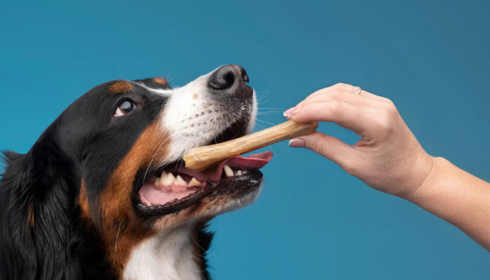
Chewing behavior training for dogs is one of the most important foundations of responsible pet ownership, especially for households dealing with destructive chewing, damaged furniture, or safety risks like ingesting unsafe objects. When done correctly, chewing behavior training for dogs does more than stop unwanted habits it reshapes how a dog interacts with its environment, builds impulse control, and reduces stress-driven behaviors.
In this guide, we break down why dogs chew, the most effective training methods used by professionals, and how owners can build a structured environment that supports long-term behavioral success. Whether you are dealing with a teething puppy or an adult dog with established habits, understanding chewing behavior training for dogs is essential for lasting improvement.
What Chewing Behavior Training for Dogs Means
Chewing is a natural instinct, not a behavioral flaw. Effective chewing behavior training for dogs focuses on redirection, structure, and reinforcement instead of punishment or fear-based correction.
Dogs chew for several natural reasons:
- Exploring their environment
- Relieving stress or anxiety
- Soothing teething discomfort
- Burning excess energy
- Coping with boredom or isolation
Training does not aim to stop chewing entirely. Instead, it teaches dogs what is appropriate to chew and what is not. This distinction is essential for long-term success and emotional balance.
Professional trainers emphasize that chewing behavior training for dogs must be consistent, calm, and supported with proper outlets such as chew toys, structured play, and mental enrichment.
Why Dogs Develop Destructive Chewing Habits
Before solving chewing problems, it is important to understand the underlying cause. Most destructive chewing cases come from a few predictable triggers.
1. Lack of physical and mental stimulation
Dogs that do not receive enough exercise or mental engagement often create their own entertainment by chewing furniture, shoes, or household objects.
2. Separation-related stress
Some dogs chew excessively when left alone due to anxiety or emotional distress.
3. Puppy teething phase
Between 3–7 months of age, puppies chew to relieve discomfort caused by growing teeth.
4. Learned behavior patterns
If chewing once leads to attention or satisfaction, dogs may repeat the behavior.
5. Lack of clear boundaries
Without structured chewing behavior training for dogs, pets are left to make their own decisions about what is acceptable.
Identifying the root cause is critical because each trigger requires a slightly different training approach.
Effective Chewing Behavior Training for Dogs Techniques
Successful training relies on timing, consistency, and reinforcement. Below are methods used by professional trainers to correct chewing behavior effectively.
1. Immediate redirection
When a dog starts chewing something inappropriate, redirect them immediately to a suitable chew toy. Timing is critical delayed correction reduces effectiveness.
2. Positive reinforcement
Reward your dog when they choose approved chew items. This reinforces the behavior you want to see more often.
3. Environmental control
Managing the environment prevents mistakes before they happen:
Related reading: The New Age of Digital Marketing That Turns Connection · Finding Hidden Plumbing Leaks Before They Become Expensive Problems · Why Modern Water Softeners Are Smarter Than Ever for Today’s Homes
- Store shoes and clothing out of reach
- Use gates or closed doors
- Remove access to unsafe items
4. Provide engaging chew alternatives
Dogs need appropriate outlets for chewing. Offer a variety of textures and options such as:
- Durable rubber chew toys
- Rope-based toys
- Frozen treats for teething puppies
- Puzzle toys for mental stimulation
5. Crate training for structure
When used correctly, crate training supports chewing behavior training for dogs by preventing unsupervised destruction and encouraging rest routines. A crate should always be associated with safety and comfort, never punishment.
6. Teaching impulse control commands
Commands like “leave it,” “drop it,” and “no” help dogs understand boundaries. These skills improve overall obedience and reduce impulsive chewing behavior.
Consistency across all family members is essential. Mixed messages often slow down progress or reinforce confusion.
Puppy vs Adult Chewing Behavior Training for Dogs
Training approaches differ depending on age and behavior history.
Puppy chewing behavior training for dogs
Puppies chew frequently due to teething and curiosity. Training should focus on guidance and prevention rather than correction.
Key strategies include:
- Providing safe chew toys at all times
- Supervising play and exploration
- Redirecting gently and consistently
- Increasing short play sessions throughout the day
Puppy training is about building habits early, not breaking long-term behavior.
Adult chewing behavior training for dogs
Adult dogs often chew due to boredom, anxiety, or reinforced habits. Their behavior is usually more structured, requiring a more consistent training plan.
Key strategies include:
- Increasing physical exercise and structured walks
- Introducing enrichment activities like scent games
- Addressing anxiety or stress triggers
- Reinforcing boundaries consistently
Adult chewing behavior training for dogs often requires more patience because the behavior may already be well-established.
Preventing Chewing Relapse After Training
Even after improvement, dogs can revert to old habits if structure is not maintained.
Maintain consistent routines
Dogs feel more secure when daily routines are predictable. Feeding, exercise, and rest schedules help reduce stress-related chewing.
Rotate enrichment items
Changing toys regularly keeps dogs mentally engaged and reduces boredom.
Identify triggers early
Common relapse triggers include:
- Long periods of isolation
- Reduced exercise
- Changes in household routine
Continue reinforcement
Occasional rewards for good chewing behavior help maintain long-term results.
Related reading: Why More Families Are Choosing Whole-Home Water Filtration Instead of Treating Just the Kitchen Sink · How Modern Water Treatment Technology Is Changing the Way We Think About Clean Water · 7 Breakfast Dishes for Intermittent Fasters: Breaking Your Fast the Right Way
Chewing behavior training for dogs is not a one-time correction it is an ongoing process of reinforcement and management.
Common Mistakes Owners Make During Training
Even with good intentions, many owners accidentally slow progress.
Inconsistent rules
Allowing chewing sometimes but not others confuses dogs and weakens training.
Using punishment instead of redirection
Harsh corrections can increase anxiety, which may worsen chewing behavior.
Ignoring mental stimulation needs
Physical exercise alone is not enough. Dogs also need mental challenges.
Not supervising early training stages
Without supervision, dogs may repeat unwanted behaviors and strengthen bad habits.
Avoiding these mistakes significantly improves results in chewing behavior training for dogs.
When to Seek Professional Help
Some chewing problems require professional intervention, especially when:
- Damage to property is frequent or severe
- The dog shows signs of anxiety or distress
- Training attempts are inconsistent or unsuccessful
- Safety risks are involved, such as chewing electrical cords or harmful materials
Professional trainers can identify behavioral triggers more accurately and create structured training plans tailored to the dog’s needs.
At Rob’s Dog Training in Phoenix, AZ, behavior-focused programs help owners address chewing issues by focusing on root causes rather than surface-level symptoms. This structured approach helps improve communication between dogs and owners while building long-term behavioral stability.
Learn more at: https://robsdogs.com/
Building Long-Term Success With Chewing Behavior Training for Dogs
Lasting success depends on consistency, structure, and patience. Dogs learn through repetition, not isolated corrections.
To maintain progress:
- Reinforce rules consistently across all environments
- Provide daily exercise and enrichment
- Offer appropriate chew outlets at all times
- Address stress triggers early
- Stay patient during setbacks
Over time, chewing behavior training for dogs improves not only chewing habits but also overall obedience, emotional stability, and household harmony.
Conclusion
Chewing is a natural behavior, but without structure it can become destructive. With proper chewing behavior training for dogs, owners can redirect this instinct into healthy, controlled habits that support both the dog’s well-being and the household environment.
By understanding causes, applying proven training techniques, and maintaining consistency, long-term improvement is achievable. For more complex cases, professional guidance can significantly speed up progress and ensure safer outcomes.
With the right approach, every dog can develop healthier chewing habits and a more balanced, structured lifestyle.