
If you own a vehicle in India, chances are you’ve already heard about the mandatory requirement for a hsrp number plate. Still, many vehicle owners remain confused about what it actually is, why it’s important, and how the booking process works. This guide is written to clear that confusion in plain, practical language—without jargon or unnecessary complexity.
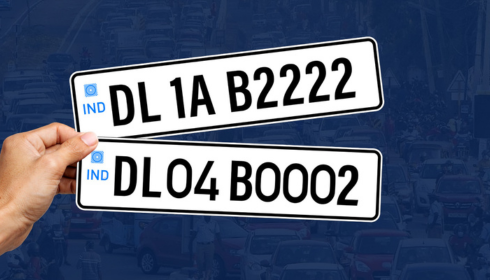
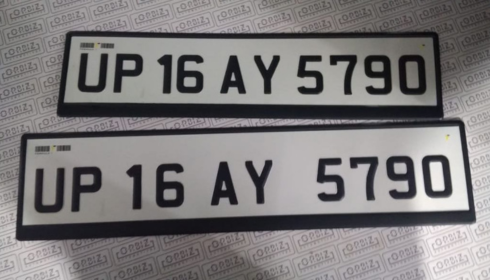
A high-security registration plate (HSRP) is designed to improve road safety and prevent vehicle-related crimes. Unlike traditional number plates, these are standardized, tamper-proof, and linked directly to the vehicle’s registration data. Once installed, they make duplication or misuse extremely difficult, which is exactly why the government has made them compulsory for both old and new vehicles across states.
Why HSRP Plates Are Mandatory
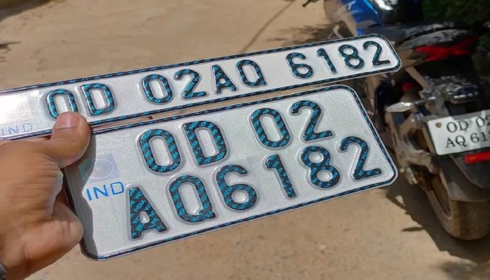
One of the biggest reasons behind introducing HSRP plates is security. Older number plates could be easily replaced, altered, or duplicated. With rising cases of vehicle theft and misuse, authorities needed a uniform system that could be tracked nationwide. HSRP plates come with a chromium-based hologram, laser-etched permanent identification number, and non-removable snap locks. Together, these features ensure that once the plate is installed, it stays with the vehicle for life.
Another important factor is digital integration. HSRP details are stored in a central database, allowing traffic authorities to verify vehicle information instantly. This helps in faster challan processing, theft recovery, and even during resale verification.
Related reading: A Simple Guide to Getting Your HSRP Done Without the Confusion · A Simple Guide to Getting an HSRP Number Plate for Older Vehicles in India · How to Book Your High Security Number Plate Online with BookMyHSRP.com
Understanding the Booking Process
The number plate booking process is now fully online in most states, making it far more convenient than before. Vehicle owners simply need to visit the authorized portal, enter their vehicle registration number, chassis number, and engine number, then select a preferred installation date and location. Payment is also completed online, reducing the need for middlemen or agents.
Once booked, the plate is manufactured specifically for your vehicle and installed either at a designated fitment center or, in some cities, through doorstep service. The entire process usually takes just a few days, depending on availability and location.
Who Needs to Apply?
If your vehicle was registered before the HSRP mandate came into effect in your state, you are required to upgrade to the new plate. This includes two-wheelers, four-wheelers, private cars, and commercial vehicles. New vehicles generally come with HSRP plates already installed by the dealer, so owners of recently purchased vehicles usually don’t need to worry.
Related reading: How to Book My HSRP Number Plate Online – A Complete Guide · A Practical Guide to Guest Posting for Business Growth · Don’t Be Fooled! How to Interpret Celebrity Interviews and Make Better Choices
Failing to comply can lead to fines during traffic checks, and repeated violations may even cause issues with insurance claims or resale paperwork.
Cost and Validity
The cost of HSRP plates is fixed by state authorities and varies slightly depending on vehicle type. Two-wheelers are usually cheaper than four-wheelers. Once installed, the plate remains valid for the entire lifetime of the vehicle—there’s no renewal required unless the plate is damaged or the vehicle is re-registered in another state.
Common Mistakes to Avoid
Many people fall into the trap of using unofficial websites or agents promising faster delivery. This often results in fake plates or incorrect data entry, which can cause serious problems later. Always use government-authorized portals and double-check your vehicle details before confirming the booking.
Final Thoughts
Upgrading to an HSRP number plate isn’t just about following rules—it’s about ensuring your vehicle is secure, traceable, and compliant with national standards. With a simple online number plate booking process now available, there’s really no reason to delay. Getting it done on time saves you from fines, legal trouble, and unnecessary stress, while also contributing to a safer and more organized road system overall.