

Most of us don’t think twice about what happens after we flush the toilet or watch water disappear down the sink. It’s almost automatic—use water, let it go, move on with the day. Out of sight, out of mind.
But the truth is, what happens after that moment is just as important as what happens before it.
Behind every home is a system quietly managing wastewater, carrying it away safely, keeping your space clean and livable. And when that system works, you never notice it. When it doesn’t… well, it becomes impossible to ignore.
The Journey Water Takes After You Let It Go
It’s easy to assume that once water goes down the drain, it simply disappears. But really, it enters a network of pipes designed to transport it away without causing harm.
This network, both inside your home and beyond it, depends on proper flow, balance, and maintenance. A single blockage or crack can disrupt the entire system, sometimes in ways that aren’t immediately visible.
That’s where modern waste water solutions come into the picture. They’re not just about moving water away—they’re about managing it responsibly, ensuring it doesn’t return where it shouldn’t or cause damage along the way.
From improved pipe materials to smarter drainage designs, these solutions are evolving quietly, making homes safer without demanding attention.
Why Problems Often Start Underground
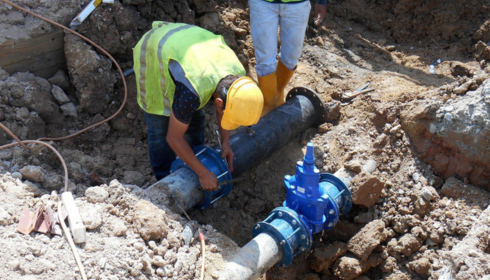
The tricky part about wastewater systems is that most of the important components are hidden. Pipes run beneath floors, behind walls, and underground—places you don’t see or think about.
Which means when something goes wrong, you might not notice right away.
Tree roots, for example, are a surprisingly common issue. They grow toward moisture, and over time, they can infiltrate pipes, causing blockages or even structural damage. Add to that the buildup of grease, debris, and everyday waste, and you’ve got a system under constant pressure.
This is why sewer pipe maintenance matters more than people realize. It’s not just about fixing problems—it’s about preventing them from happening in the first place.
Regular inspections and cleaning can keep the system running smoothly, reducing the risk of unexpected failures.
The Unpleasant Reality of Backups
There are few household issues as unpleasant as a sewage backup. It’s messy, stressful, and often overwhelming.
Water coming back up through drains, strange odors filling the air—it’s the kind of situation that demands immediate attention. And while it might seem sudden, it’s usually the result of issues that have been building over time.
Blockages, damaged pipes, or overwhelmed systems can all lead to backups. And once it happens, the focus shifts from prevention to damage control.
That’s why sewage backup prevention is something worth thinking about before there’s a problem. Simple measures—like avoiding flushing inappropriate items, managing grease disposal, and scheduling periodic checks—can go a long way in keeping things under control.
It’s not about expecting the worst. It’s about being prepared for it.
The Role of Everyday Habits
What you put down your drains matters. Probably more than you think.
Pouring grease into the sink might seem harmless in the moment, but over time, it solidifies and creates stubborn blockages. Flushing wipes labeled “flushable” can still cause issues, especially in older systems. Even small food particles can accumulate in ways that disrupt flow.
These habits, repeated daily, shape how your wastewater system performs.
It’s not about perfection—it’s about awareness. Small changes in behavior can prevent larger problems later on.
When to Pay Attention to Warning Signs
Like most systems in your home, wastewater infrastructure gives signals before things go wrong.
Slow drains, unusual noises, persistent odors—these are early indicators that something isn’t quite right. They might not seem urgent, but they’re worth paying attention to.
Ignoring them doesn’t make them disappear. It just gives the problem more time to grow.
Addressing these signs early often leads to simpler, less costly solutions. And it keeps your home running smoothly without unnecessary interruptions.
Technology Is Changing the Way We Manage Wastewater
It’s interesting how much progress has been made in this field, even if most of it happens behind the scenes.
Camera inspections, for instance, allow professionals to see inside pipes without digging. High-pressure water jets can clear blockages more effectively than traditional methods. Even smart monitoring systems are starting to appear, offering insights into how systems are performing over time.
These advancements make it easier to maintain and repair wastewater systems with minimal disruption.
And while you might not see these technologies directly, you benefit from them every time your drains work as they should.
A Different Way to Think About What We Don’t See
Wastewater systems are easy to overlook because they operate quietly, out of sight. But their impact is constant.
They protect your home from contamination, maintain hygiene, and support everyday activities in ways that are easy to take for granted.
Thinking about them doesn’t mean worrying constantly—it just means recognizing their importance.
Closing Thoughts: The Value of Staying Ahead
At the end of the day, wastewater management isn’t just about fixing problems—it’s about preventing them.
A little awareness, a few good habits, and occasional maintenance can go a long way in keeping your system running smoothly. And in return, you get something simple but essential: peace of mind.
Because when everything flows as it should, you don’t have to think about it at all.
And sometimes, that’s exactly how it should be.