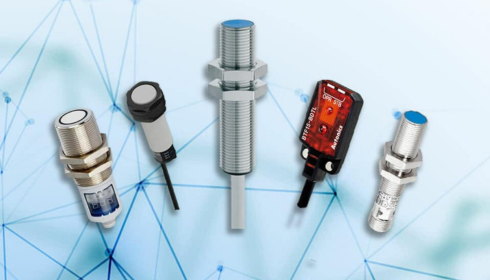
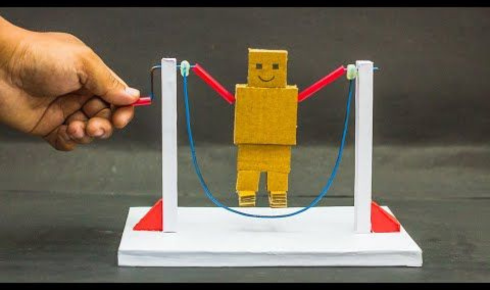
There’s a special kind of excitement that comes from building something with your own hands. Not the sort of excitement that fades after a few minutes, but the kind that sticks around. Maybe it starts with a blinking light, a buzzing alarm, or a small circuit that suddenly works after several failed attempts. Whatever the project may be, those moments often spark a deeper interest in science and technology.
For many students, learning becomes far more engaging when they can see concepts in action. Reading about electricity in a textbook is useful, but connecting wires, testing components, and watching a project come to life creates a completely different experience. It transforms abstract ideas into something real and memorable.
That’s one reason educational kits continue to remain popular. Modern science project toys do more than entertain. They encourage curiosity, experimentation, and creative thinking. Instead of simply consuming technology, children and young learners begin understanding how it works. The process isn’t always perfect, of course. Sometimes a circuit fails, a battery connection slips loose, or a component doesn’t behave as expected. Yet those small setbacks often become the most valuable lessons.
Hands-on learning also helps develop problem-solving skills. Every project presents challenges that require observation and reasoning. Why isn’t the LED lighting up? Is the sensor connected properly? Did the power supply lose connection? These questions encourage learners to think critically rather than simply memorize information.
One project that frequently captures attention is the laser alarm system . It combines several scientific principles into a single activity, making it both educational and exciting. By using a laser beam and a sensor, students can create a simple alarm that activates when the beam is interrupted. The concept feels almost like something from a spy movie, which naturally adds an element of fun to the learning process.
Related reading: Category Page SEO for Online Stores: Why It Matters More Than Your Homepage · Convert Text to Video Easily With Automated ToolsThe Rise of AI-Driven Video Creation · Understanding Temperature Sensors and Proximity Switch Sensors
The appeal of projects like these lies in their ability to demonstrate real-world applications. Suddenly, topics such as light detection, electrical circuits, and sensors are no longer theoretical concepts. They become tools that serve a practical purpose. That connection between theory and application often helps learners retain information much more effectively.
Technology education has changed significantly over the years. In the past, many electronic concepts felt inaccessible to beginners. Today, affordable kits and online tutorials have made experimentation easier than ever. Students can explore robotics, automation, renewable energy, and electronics without requiring advanced technical knowledge.
Another popular classroom and hobby project involves creating a laser security alarm . While simple in design, it introduces learners to important concepts related to sensors, signal processing, and electronic control systems. More importantly, it encourages curiosity. Once students understand the basic principle, they often begin wondering how professional security systems operate and what additional features might improve their own designs.
One of the greatest strengths of science-based projects is that they reward persistence. Rarely does everything work perfectly on the first attempt. Components may need adjustment. Wiring mistakes must be corrected. Sometimes the solution turns out to be surprisingly simple. Those experiences help build patience and resilience, qualities that extend far beyond the classroom.
Parents and educators often notice another benefit as well. Practical projects encourage independent learning. When students become genuinely interested in a subject, they naturally begin asking more questions, conducting additional research, and exploring related topics. The learning process becomes self-driven rather than externally imposed.
Projects involving lasers continue to hold a unique appeal because they combine visual excitement with scientific principles. A laser light security system can demonstrate how light beams interact with sensors while introducing basic concepts used in commercial alarm technologies. The bright beam, immediate feedback, and interactive nature of the project make it particularly engaging for younger learners.
Related reading: Top 10 Questions Answered About Using AI to Automate Repetitive Tasks · 20 Most Asked Questions About Skills Advancement in Mobile App Development · 25 Questions Answered About Exploring Open-Source Technologies
Beyond the educational value, these activities also foster creativity. Two students working with identical materials may create completely different solutions. One might focus on aesthetics, while another prioritizes functionality. Both approaches encourage innovation and personal expression, which are important aspects of STEM education.
The growing availability of educational resources has further expanded opportunities for learning. Video tutorials, maker communities, and online project guides provide support for beginners at every skill level. A student who encounters a challenge can often find guidance within minutes, making complex topics feel much more approachable.
Perhaps the most rewarding aspect of hands-on science projects is the confidence they build. Completing even a simple project creates a sense of accomplishment that textbooks alone rarely provide. Learners begin to realize that they can understand technology, solve problems, and create working systems on their own.
In a world increasingly shaped by technology, encouraging curiosity and practical learning has never been more important. Whether someone starts with a basic alarm circuit, an electronic toy, or a sensor-based experiment, the experience often opens the door to bigger possibilities.
And sometimes, that’s all it takes. One successful project, one moment of discovery, and suddenly a lifelong interest in science begins to grow. Those small sparks of curiosity have a way of leading to remarkable journeys.