
There’s something oddly reassuring about a glass of water that tastes exactly the way it should—nothing fancy, nothing noticeable. Just clean, neutral, refreshing. The kind of water you don’t think twice about.
And yet, for a lot of us, that’s not always the case.
Maybe it’s a faint aftertaste. Maybe it’s the habit of reaching for bottled water without even realizing why. Or maybe it’s just a quiet doubt in the back of your mind—is this really as clean as it should be?
That question, small as it sounds, tends to open the door to something bigger.
When “Good Enough” Stops Feeling Good Enough
Most homes have some form of basic water treatment already in place. Municipal systems do their job, and for the most part, water is safe. But “safe” doesn’t always mean satisfying.
You start noticing little things. Tea that tastes slightly different depending on the day. A lingering smell that disappears after a few seconds. Water that looks fine, but doesn’t feel quite right.
That’s usually when people begin exploring water filtration systems. Not out of fear, but out of curiosity—and maybe a desire for a bit more control.
Because once you realize your water can be improved, it’s hard to ignore that possibility.
Understanding What’s Actually in Your Water
Here’s the thing: water isn’t just H₂O by the time it reaches your home. It carries traces of everything it’s come into contact with—minerals, disinfectants, sometimes even microscopic impurities you’d never notice without testing.
That doesn’t mean it’s unsafe. But it does mean it’s not always ideal.
Learning about filtration isn’t about becoming overly cautious. It’s about understanding. Knowing what’s in your water, and deciding what you’re comfortable with.
And once you start learning, you realize there isn’t just one solution. There are layers to it—different systems designed for different needs.
A Closer Look at Reverse Osmosis
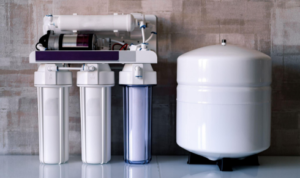
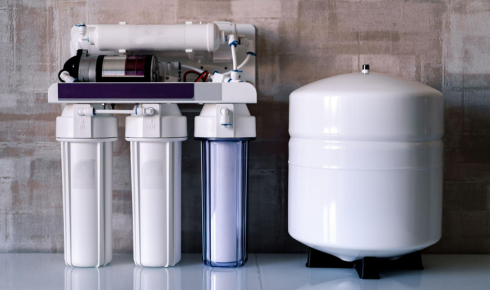
At some point, you’ll probably come across reverse osmosis. It sounds technical—and it is—but the concept is actually pretty straightforward.
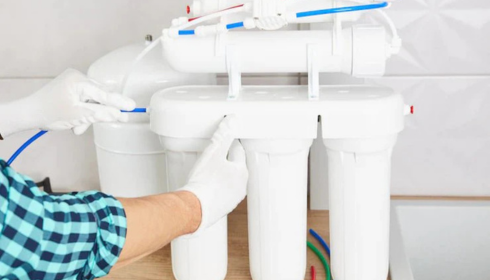
Water is pushed through a semi-permeable membrane that filters out a wide range of impurities, leaving behind cleaner, more refined water.
Following a simple reverse osmosis guide can help you understand how this process works and whether it fits your needs. It’s not about installing something complicated for the sake of it—it’s about knowing what problem you’re solving.
For many households, reverse osmosis becomes the go-to option for drinking water. It’s thorough, reliable, and consistent. And once it’s in place, you don’t really think about it much—you just enjoy the results.
The Subtle Shift in Everyday Habits
What’s interesting is how quickly your habits change once your water improves.
You start drinking more water without forcing yourself. Coffee tastes smoother. Cooking feels more predictable. Even something as simple as filling a glass becomes… effortless.
That’s the quiet benefit of having drinking quality water at home. It removes friction from your daily routine. You stop compensating, stop second-guessing.
And it’s not just about taste. It’s about trust.
Not Every Solution Needs to Be Complex
It’s easy to assume that improving your water means installing the most advanced system available. But that’s not always necessary.
Sometimes, a simple filter does the job. Sometimes, addressing one specific issue—like chlorine taste or sediment—is enough to make a noticeable difference.
The key is understanding your starting point. What are you trying to fix? What’s actually bothering you?
From there, the right solution often becomes obvious.
And no, it doesn’t have to be perfect. It just has to be better.
The Overlooked Benefits Beyond Drinking
While most people focus on drinking water, filtration can impact other parts of your home too.
Cleaner water can improve how your skin feels after a shower. It can reduce residue on dishes and fixtures. It can even help appliances run more efficiently by minimizing buildup over time.
These aren’t headline-grabbing benefits, but they add up.
It’s the kind of improvement you don’t notice all at once—but you definitely feel over time.
Why So Many People Wait
If better water has so many advantages, why do so many people delay making changes?
Part of it is uncertainty. There are so many options, so many opinions, that it’s hard to know where to start.
Part of it is habit. We get used to what we have, even if it’s not ideal.
And part of it is timing. Water quality rarely feels urgent. It’s not like a broken appliance or a leaking pipe. It’s something you can live with—until you realize you don’t have to.
Starting Without Overthinking
If you’re considering improving your water, the best place to start is simple: pay attention.
Notice how your water tastes, smells, and feels. If something seems off, look into it. Get it tested if needed. Understand your options.
You don’t need to make a big decision right away. Just take the first step.
Because once you start, the rest tends to fall into place.
A Quiet Upgrade That Stays With You
In the end, improving your water isn’t about chasing perfection. It’s about making everyday life a little smoother, a little more comfortable.
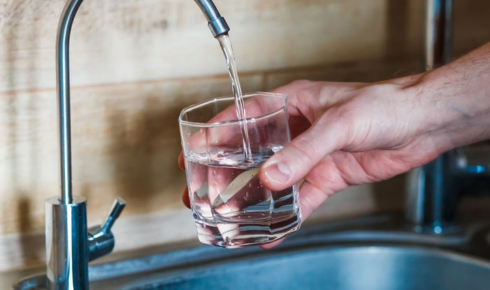
It’s about turning on the tap and not thinking twice. About pouring a glass of water and just… drinking it.
No hesitation. No second thoughts.
And maybe that’s what makes it so valuable. Not the technology, not the process—but the feeling of simplicity it brings back.
Because when your water is right, everything else just feels easier.