

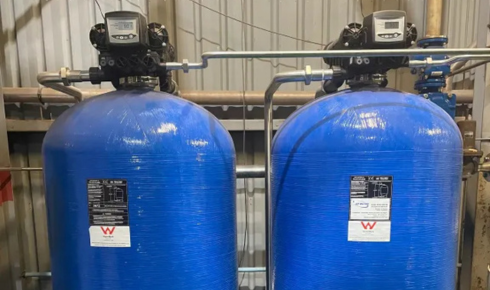
Walk into almost any successful business — a bustling restaurant, a busy hotel, even a modern manufacturing facility — and you’ll notice something interesting. Behind the scenes, there’s often a quiet but essential system working away: water treatment.
It’s not flashy. It’s rarely talked about. Yet the quality of water flowing through a business can influence everything from equipment lifespan to customer satisfaction.
Many companies only start thinking about water quality when something goes wrong. Maybe coffee machines begin scaling up faster than usual. Maybe dishes don’t come out spotless. Or perhaps a manufacturing line suddenly needs more maintenance than expected. In most cases, the culprit is simple: untreated or poorly treated water.
And once businesses understand the impact, they rarely go back.
Water Quality: The Invisible Factor in Business Operations
Water is easy to overlook. It’s always there, running from taps, powering equipment, washing products, and supporting daily operations. But not all water is created equal.
Hard water, for example, contains high levels of calcium and magnesium. While perfectly safe to drink, it can be brutal on equipment. Over time, these minerals build up inside pipes, boilers, dishwashers, and cooling systems. The result? Reduced efficiency, higher energy bills, and frequent repairs.
Restaurants see the effects on glassware and appliances. Hotels notice it in laundry systems and showers. Manufacturing facilities might find their machinery clogging or scaling.
This is where commercial water softeners quietly make a difference.
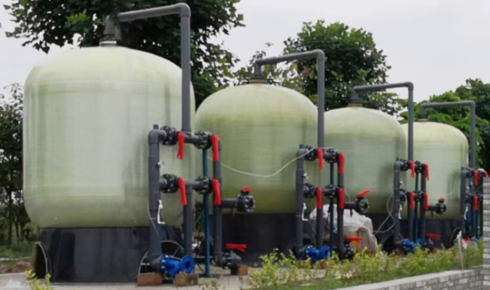
Instead of allowing mineral buildup to damage equipment, these systems remove hardness from the water supply before it enters the building’s plumbing network. The improvement isn’t just noticeable — it can dramatically extend the life of expensive machinery.
For businesses running on tight margins, that kind of reliability matters.
Clean Water Means Better Products and Services
Let’s talk about taste for a moment.
If you’ve ever had coffee at two different cafés and noticed a big difference — even when they use the same beans — water is often the reason. Minerals, chlorine, and impurities can alter flavor profiles in subtle but meaningful ways.
Food and beverage businesses, in particular, depend heavily on water quality. Bakeries need consistent water for dough fermentation. Breweries require precise mineral balance. Even ice machines need clean water to produce clear, odor-free ice.
This is where commercial water filtration systems step into the picture.
Filtration systems remove contaminants such as chlorine, sediment, heavy metals, and other impurities that affect both taste and safety. The result is more consistent products and better customer experiences.
Think about it: customers may never consciously notice perfect water quality — but they absolutely notice when it’s off.
And in hospitality or food service, that difference can influence whether someone returns.
The Hidden Cost of Untreated Water
Businesses sometimes hesitate to invest in water treatment technology because it seems like an additional expense. But the real cost often lies in ignoring the problem.
Consider a few common scenarios:
- Heating systems lose efficiency due to scale buildup
- Dishwashers require frequent descaling
- Cooling towers operate inefficiently
- Plumbing systems develop mineral deposits
- Equipment breaks down earlier than expected
These issues quietly drain budgets through maintenance, downtime, and energy consumption.
A small layer of mineral scale — sometimes barely visible — can reduce heating efficiency by more than 10%. Multiply that across boilers, heaters, and industrial equipment, and suddenly energy bills start creeping upward.
Business owners usually realize the truth only after comparing maintenance records before and after installing water treatment systems.
The difference can be dramatic.
Choosing the Right Water Strategy for Your Business
Not every company has the same water needs.
A restaurant may prioritize taste and appliance protection. A hotel might focus on laundry performance and guest comfort. A manufacturing plant may require strict control over mineral content for production processes.
That’s why many companies now turn to integrated business water solutions rather than relying on a single device.
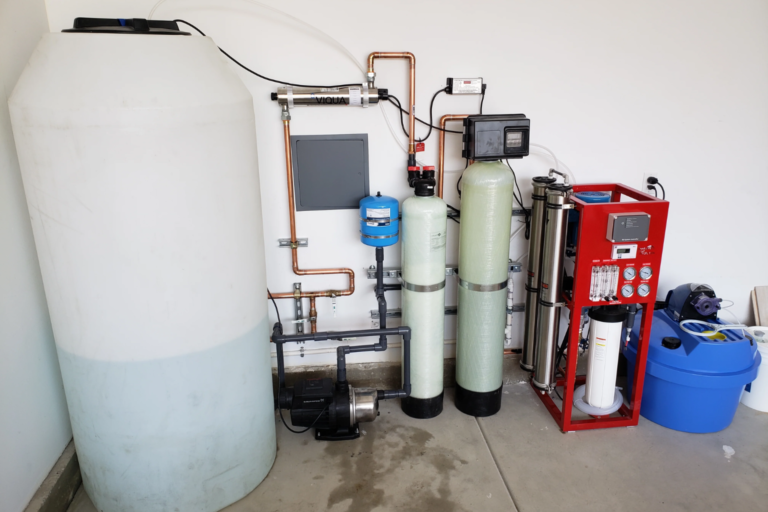
Instead of installing one standalone filter or softener, modern systems combine several technologies — filtration, softening, reverse osmosis, UV purification, and monitoring systems — into a coordinated approach.
This allows businesses to tailor water treatment based on their specific operations.
For example:
- Hotels may combine softeners with carbon filtration for guest comfort
- Restaurants might pair filtration with scale prevention for kitchen equipment
- Manufacturing facilities often integrate multi-stage filtration with precise mineral control
It’s less about a single product and more about building a water strategy that fits the way the business actually operates.
Sustainability and Water Efficiency
There’s another reason businesses are paying closer attention to water treatment: sustainability.
Consumers today are increasingly aware of environmental impact. Companies are under pressure to reduce waste, improve efficiency, and adopt responsible practices.
Better water treatment supports those goals.
When equipment runs efficiently, it consumes less energy. When scale buildup is reduced, systems require fewer chemical cleaners. When filtration improves water quality, businesses may reduce reliance on bottled water or disposable filtration cartridges.
In other words, better water quality often leads to lower environmental impact.
It’s one of those rare upgrades that benefits both the business and the planet.
A Quiet Upgrade That Pays Off Over Time
Water treatment doesn’t usually make headlines. Customers don’t walk into a restaurant asking about filtration systems, and hotel guests rarely wonder about the hardness of shower water.
But behind the scenes, the impact is significant.
Cleaner water protects equipment. It improves product quality. It reduces maintenance costs and energy consumption. And perhaps most importantly, it creates consistency — something every successful business depends on.
In the end, investing in better water systems isn’t really about plumbing or filtration technology.
It’s about creating a smoother, more reliable operation where small details work exactly as they should.
And sometimes, the quietest upgrades are the ones that make the biggest difference.