

There’s a moment almost everyone experiences during extreme weather. You walk from one room to another and suddenly feel the shift — maybe one space feels too warm while another is almost chilly. You adjust the thermostat, hoping to balance things out, but it rarely works the way you expect.
For years, this kind of uneven comfort was simply accepted as normal. People learned to live with hot spots, cold corners, and constant thermostat battles. But as homes have evolved and expectations have grown, so has the technology designed to keep indoor environments comfortable.
Today, modern climate systems offer more flexibility and precision than ever before — changing how people think about indoor comfort entirely.
Why Traditional Cooling Approaches Often Fall Short
Conventional heating and cooling systems were designed for a different era. Homes were smaller, layouts simpler, and energy efficiency wasn’t the priority it is today.
Centralized systems typically rely on a single thermostat to regulate the entire house. While this approach can work reasonably well, it often struggles in larger homes or spaces with varied usage patterns.
Rooms exposed to direct sunlight may heat up faster. Upper floors often feel warmer than lower levels. Spaces used less frequently may not need the same level of cooling as main living areas.
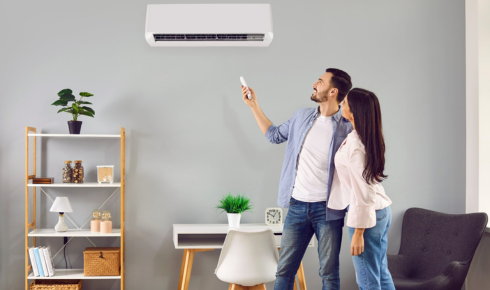
This is where modern solutions like mini split systems have transformed the landscape. These systems deliver targeted cooling directly to specific rooms without relying on extensive ductwork.
The result is more consistent comfort and significantly greater control over how different areas are cooled.
Personalized Comfort for Different Living Spaces
One of the biggest advantages of modern cooling systems is the ability to tailor indoor conditions to individual needs.
In many households, temperature preferences vary widely. One person might prefer a cooler bedroom for sleeping, while another prefers a warmer living space.
Multi-zone systems address this challenge by allowing different areas of a home to operate independently. Each zone can maintain its own temperature setting, creating personalized comfort throughout the house.
This flexibility is particularly valuable in homes with multiple floors, open layouts, or additions built at different times.
Instead of relying on a single setting that may not suit everyone, multi-zone solutions provide a more balanced and adaptable approach.
And once homeowners experience this level of customization, they rarely want to return to traditional setups.
The Science Behind Balanced Indoor Temperatures
At its core, indoor comfort depends on more than just air conditioning power. Proper airflow distribution, insulation quality, and system responsiveness all play critical roles.
Modern cooling technologies focus heavily on improving temperature control by adjusting airflow dynamically. Sensors monitor room conditions and automatically adapt cooling output to maintain stable environments.
This real-time responsiveness reduces temperature fluctuations and prevents the common “overcooling” problem seen in traditional systems.
Balanced temperature control also supports energy efficiency by preventing systems from running unnecessarily at full capacity.
Over time, this results in both improved comfort and lower operating costs.
Why Energy Efficiency Matters More Than Ever
As energy costs continue to rise, homeowners are paying closer attention to how efficiently their cooling systems operate.
Modern climate solutions are designed with efficiency as a primary goal. By delivering cooling directly to specific zones rather than circulating air throughout entire homes, they reduce wasted energy.
Many homeowners notice a significant decrease in utility bills after upgrading to zone-based systems.
Beyond financial savings, improved efficiency also reduces environmental impact — an increasingly important consideration for many households.
In this way, modern cooling technologies support both personal comfort and broader sustainability goals.
The Emotional Impact of Consistent Comfort
While technical benefits are important, there’s also a deeply human aspect to indoor climate stability.
Consistent temperatures create a sense of calm. They allow people to relax without distraction, sleep more comfortably, and focus better during daily activities.
When homes feel evenly cooled, they become more inviting spaces. Family members can move freely between rooms without adjusting constantly to changing conditions.
This emotional comfort often becomes one of the most appreciated aspects of modern climate systems.
Because comfort isn’t just physical — it’s psychological too.
Small Steps That Enhance Long-Term Performance
Maintaining modern cooling systems doesn’t require complicated routines. Regular filter cleaning, periodic professional inspections, and proper airflow management help ensure consistent performance.
These simple maintenance practices prevent dust buildup, optimize system efficiency, and extend equipment lifespan.
Many homeowners find that proactive care significantly reduces the likelihood of unexpected breakdowns.
Over time, these small efforts contribute to a more reliable and cost-effective cooling experience.
The Role of Technology in Modern Climate Solutions
Technological advancements have played a major role in improving climate control systems. Smart thermostats, mobile app integration, and automated scheduling allow homeowners to manage indoor environments with unprecedented convenience.
Real-time monitoring systems can detect inefficiencies and alert homeowners before issues escalate.
These innovations provide greater control over indoor comfort while simplifying system management.
However, even advanced technologies require proper installation and maintenance to function effectively.
Expert guidance remains essential to ensuring optimal performance.
A Thoughtful Ending: A New Standard for Everyday Comfort
As homes continue to evolve, expectations for indoor comfort are changing as well. People no longer want to accept uneven temperatures or inefficient systems as unavoidable realities.
Modern cooling technologies offer a more adaptable, efficient, and personalized approach to climate control.
They allow homeowners to create environments that feel balanced, comfortable, and supportive of daily life.
Investing in advanced climate solutions isn’t just about upgrading equipment — it’s about improving the overall quality of living.