

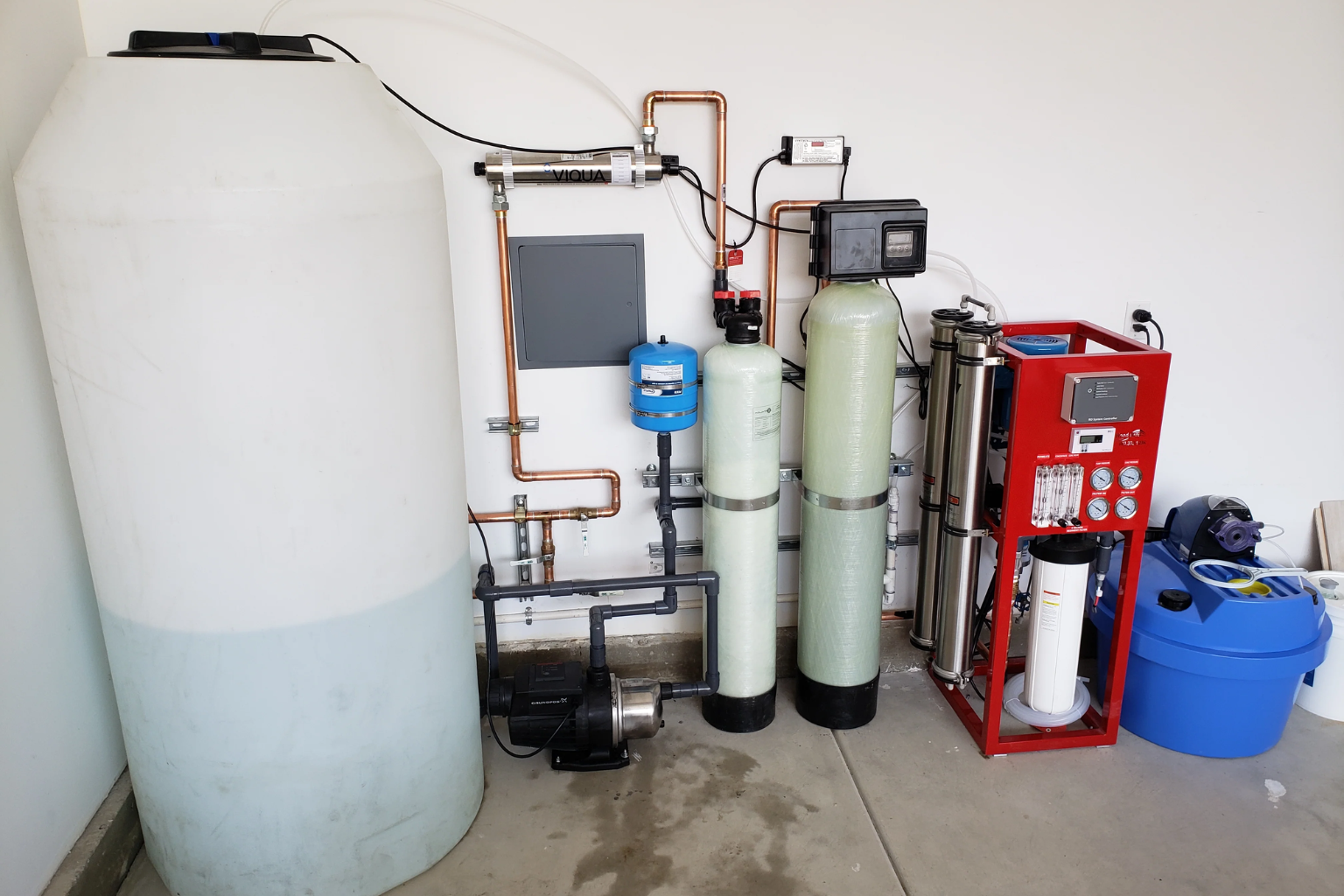
The Moment You Start Paying Attention to Water
Most of us don’t think much about water. We turn on the tap, fill a glass, and move on with our day. It’s simple, reliable, and — we assume — perfectly fine. But every so often, something shifts. Maybe your water tastes slightly bitter. Maybe it leaves white residue inside your kettle. Or perhaps you read a news article about contaminants found in local water supplies.
That’s usually when curiosity kicks in.
People begin asking questions: What exactly is in my water? Is it safe? Can it be improved?
The truth is, even treated municipal water can contain dissolved minerals, chemical traces, and microscopic particles. While many of these aren’t immediately harmful, they can still affect taste, appliance performance, and long-term health concerns.
Understanding these factors is the first step toward making informed choices about water quality at home.
Why Water Contains More Than You Think
Water naturally dissolves substances from its surroundings as it travels through soil, rock, and infrastructure. By the time it reaches household taps, it may contain minerals like calcium, magnesium, sodium, and other dissolved solids.
This total concentration is often referred to as TDS, or total dissolved solids. While TDS levels vary by location, high concentrations can influence water taste and contribute to scale buildup in appliances.
That’s why many homeowners explore systems designed for tds reduction to improve both flavor and performance.
Reducing dissolved solids doesn’t necessarily mean removing every mineral — some are beneficial — but it helps create a balanced composition that feels cleaner and more neutral.
For many households, this simple adjustment makes a noticeable difference in everyday water use.
The Growing Awareness of Chemical Contaminants
In recent years, attention has shifted beyond taste and mineral content to focus on emerging environmental contaminants.
Among these, PFAS compounds have gained significant concern.
Often called “forever chemicals,” PFAS substances resist natural breakdown and can accumulate in water sources through industrial processes, firefighting foam, and consumer products.
As a result, pfas reduction has become an important priority for modern water filtration systems.
Advanced treatment technologies can help minimize these compounds, providing an additional layer of reassurance for homeowners.
While PFAS contamination levels vary widely, increased awareness has prompted many people to adopt proactive filtration solutions.
The Risk of Heavy Metals in Water Supplies
Another category of concern involves heavy metals, which may enter water through natural geological sources or aging plumbing infrastructure.
Lead, arsenic, mercury, and copper are among the metals that can appear in trace amounts under certain conditions.
This is where effective heavy metal filtration becomes essential.
Specialized filtration systems can significantly reduce these substances, improving both safety and taste.
For households with older plumbing systems, this type of filtration can provide additional peace of mind.
It’s one of those measures that often feels invisible — until you realize how important it truly is.
How Modern Filtration Systems Work
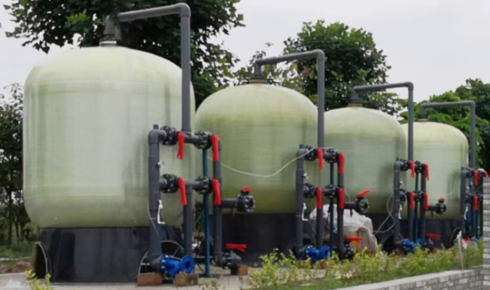
Today’s water treatment systems typically use multiple filtration stages to address various types of impurities.
Sediment filters remove larger particles such as sand and rust. Activated carbon filters target chlorine, organic compounds, and odor-causing substances.
Advanced membranes, such as those used in reverse osmosis systems, can remove dissolved solids, chemical contaminants, and heavy metals at a microscopic level.
This layered approach ensures comprehensive treatment, addressing both visible and invisible water quality issues.
The result is water that looks clearer, tastes better, and meets higher safety standards.
The Everyday Benefits of Cleaner Water
Improving water quality offers benefits that extend beyond drinking.
Appliances operate more efficiently when free from mineral buildup. Coffee and tea often taste richer because impurities no longer interfere with brewing.
Cooking also improves, as cleaner water allows natural flavors to stand out.
Many people also find that filtered water encourages better hydration simply because it tastes more appealing.
These small improvements collectively enhance daily routines in subtle but meaningful ways.
Choosing the Right Filtration Solution
Selecting a water filtration system depends largely on local water conditions.
Testing water quality is often the first step, helping identify specific issues such as high TDS levels, chemical contaminants, or heavy metal presence.
From there, homeowners can evaluate system capacity, installation requirements, and maintenance needs.
Professional consultation can also help ensure optimal system performance.
Making an informed choice helps maximize both effectiveness and long-term value.
Maintenance: Keeping Systems Effective
Even advanced filtration systems require regular upkeep.
Filters must be replaced periodically, and system performance should be monitored to ensure continued efficiency.
Neglecting maintenance can reduce effectiveness and allow impurities to return over time.
Fortunately, many modern systems include indicators that simplify maintenance scheduling.
With proper care, filtration systems can provide reliable water quality for years.
Looking Ahead: The Future of Water Treatment
Water filtration technology continues to evolve rapidly.
New materials and designs are improving efficiency while reducing energy consumption and water waste.
Smart monitoring systems allow homeowners to track water quality and system performance through mobile applications.
There’s also growing emphasis on sustainable filtration methods that minimize environmental impact.
These advancements promise to make clean, safe drinking water more accessible than ever before.
A Simple Change That Brings Peace of Mind
Water is one of the most essential elements of daily life, yet its quality often goes unnoticed until concerns arise.
From reducing dissolved solids to addressing chemical and heavy metal contaminants, modern filtration systems offer effective solutions for improving water quality.