Most people don’t think much about their water until something changes. Maybe the showerhead starts collecting stubborn mineral deposits, the drinking water tastes different, or the water softener seems to be using more salt than usual. These issues can be frustrating, especially when you’re not sure what’s causing them or how to fix them.
Modern water treatment systems offer more options than ever, from straightforward drinking-water filters to advanced equipment that helps homeowners keep an eye on system performance. Some solutions even use wireless technology to make monitoring and maintenance more convenient. Still, technology is only useful when it solves a real problem.
The best place to begin is with your water quality, your household’s needs, and a clear understanding of what each treatment system can actually do.
Why Water Quality Matters Every Day
Water quality affects more than the taste of a glass of water. It can influence cleaning, bathing, appliance maintenance, and the overall comfort of a home. The specific concerns depend on where the water comes from and what it contains.
Hard water, for example, contains elevated levels of calcium and magnesium. These minerals can leave white deposits on faucets, shower doors, and kettles. They may also contribute to scale buildup in some water-using appliances. A suitable water softener can reduce hardness and make cleaning easier, although it won’t remove every possible contaminant.
Taste and odor concerns require a different approach. Activated carbon filtration can improve certain taste and odor issues, including those associated with chlorine, when the filter is designed for that purpose. Other concerns may require different treatment methods or further investigation.
Water that looks clear isn’t automatically safe, either. Some contaminants cannot be identified by sight, taste, or smell. If you’re concerned about drinking-water safety, appropriate testing is far more reliable than guessing from appearance alone.
How Wireless Monitoring Can Help
Traditional water treatment equipment often depends on homeowners remembering when maintenance is due. That’s manageable when everything runs smoothly, but it’s easy to forget a filter replacement or overlook a warning sign during a busy week.
Depending on the model, smart water systems with wireless monitoring can provide information about system status, usage, maintenance reminders, or selected operating conditions through a connected device. Certain systems may also alert users to specific changes that need attention. Available features vary, so it’s important to check what the equipment actually monitors.
Imagine returning from a long trip and discovering that your water treatment system needs service. A connected system with useful notifications may make it easier to identify the issue and arrange maintenance sooner. For a busy household, that added visibility can be reassuring.
However, wireless monitoring isn’t a substitute for proper water testing or professional inspection. A system may report that it is operating normally without confirming that every contaminant is absent. Sensors also have limitations, and connected equipment may depend on a stable internet connection or compatible software.
Related reading: Finding Hidden Plumbing Leaks Before They Become Expensive Problems · Why Modern Water Softeners Are Smarter Than Ever for Today’s Homes · Why More Families Are Choosing Whole-Home Water Filtration Instead of Treating Just the Kitchen Sink
Before investing in smart features, ask which measurements are tracked, how alerts are delivered, and whether the information can help you make a practical decision. The most valuable feature is one you’ll actually use.
Choosing the Right Treatment Technology
Water treatment isn’t a single process. Different technologies are designed to address different concerns, and understanding the basics can help you compare products with greater confidence.
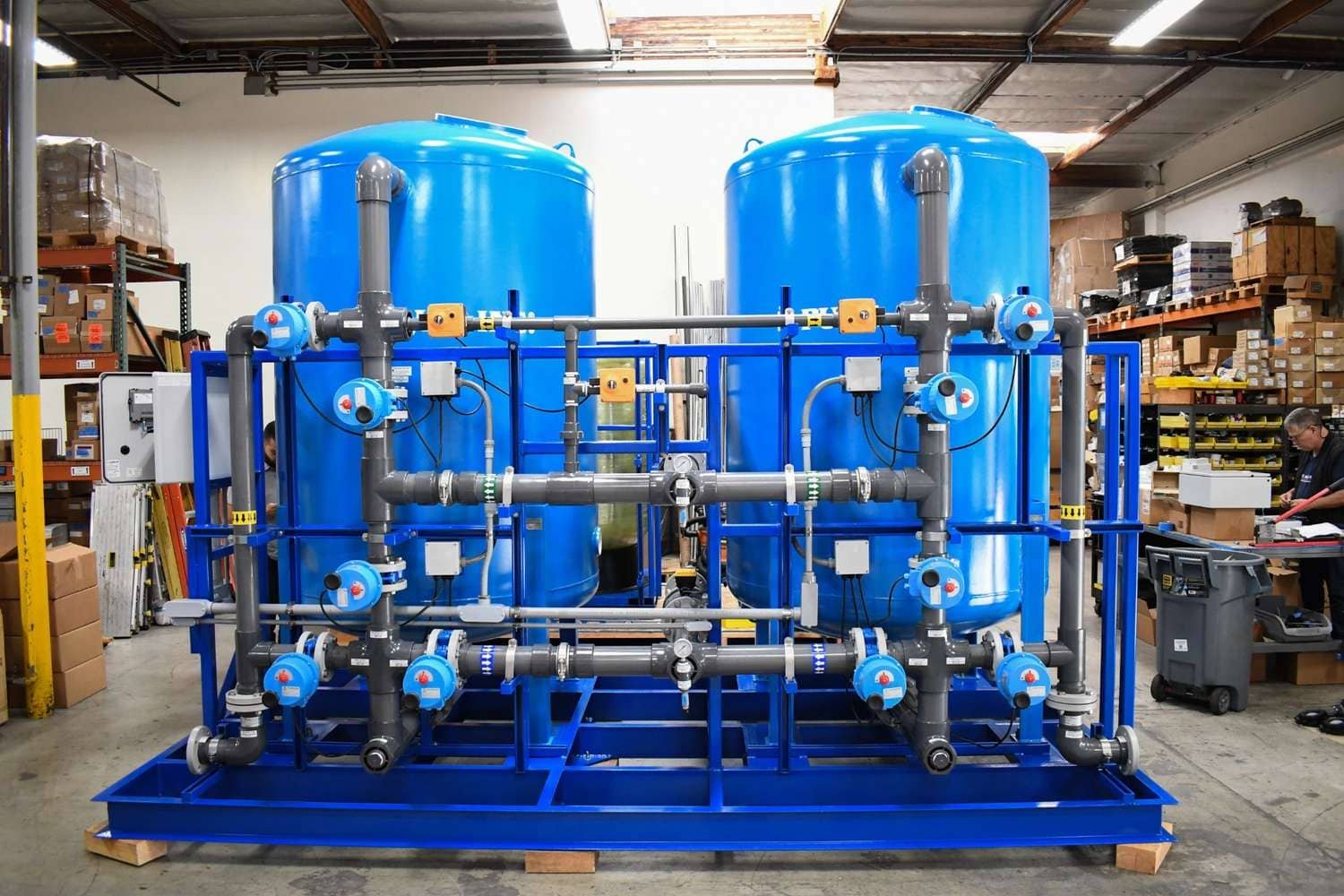
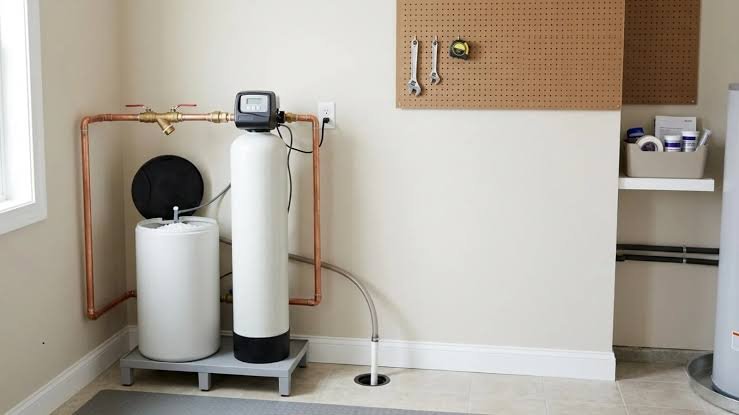
Water softeners commonly use ion exchange to reduce calcium and magnesium. They’re useful when hardness is the main concern, but they don’t automatically remove bacteria, nitrates, or other unwanted substances.
Carbon filters can reduce certain contaminants and improve taste and odor, depending on the filter’s design and certification. Reverse osmosis systems use a membrane to reduce a range of dissolved substances, although performance varies by model and operating conditions. Ultraviolet disinfection can inactivate susceptible microorganisms when the system is properly selected, installed, and maintained, but it doesn’t remove dissolved minerals or chemical contaminants.
Some properties need more than one treatment stage. A private well, for instance, may require a tailored combination based on laboratory results. Municipal water users may simply want to address taste or hardness inside their homes.
The important thing is to match the equipment to a defined need. A long list of features doesn’t guarantee better results, and a complex system can create unnecessary maintenance if a simpler solution would do the job.
Start With a Water Test
Before buying equipment, find out what you’re trying to treat. Testing can help establish whether the main concern is hardness, iron, pH, bacteria, nitrate, or another substance. The appropriate test depends on the water source and the reason for concern.
Municipal water customers can review their supplier’s water quality information and arrange additional testing when needed. Private well owners should follow local public health recommendations for routine testing, including appropriate checks for bacteria and nitrate.
If the water suddenly changes in color, taste, or odor, investigate the cause instead of assuming a new filter will solve it. Contact your water supplier or local public health authority if a safety concern arises.
Once you have the results, get pricing for water treatment systems that are appropriate for the identified problem. Request a written estimate that explains the equipment, installation, expected maintenance, and any ongoing operating costs. Comparing quotations becomes much easier when each provider is addressing the same water quality concern.
Related reading: How Modern Water Treatment Technology Is Changing the Way We Think About Clean Water · When the Warmth Fades: A Real-Life Look at Fixing Heating Systems Before It Gets Worse · Learning to Trust Your Tap Again: A Real-World Take on Better Water at Home
A water test also helps prevent overspending. There’s little benefit in purchasing equipment for a problem your water doesn’t have, and the wrong system may leave the original issue unresolved.
Look Beyond the Initial Price
The purchase price is only one part of owning a water treatment system. Replacement filters, membranes, salt, service visits, and other operating expenses can affect the total cost over several years.
Ask how often components need replacing and whether replacement parts are easy to obtain. Find out whether the system has a maintenance indicator and whether professional servicing is recommended. For connected equipment, check whether an app, subscription, or additional device is required to access particular features.
Warranty terms deserve attention, too. Understand what’s covered, how long coverage lasts, and whether specific installation or maintenance conditions apply. Clear answers now can prevent unpleasant surprises later.
It’s also worth checking whether a system has independently certified performance claims relevant to your needs. If a manufacturer says its filter reduces a particular contaminant, look for documentation supporting that claim rather than relying on broad marketing statements.
Professional Advice Still Has a Place
Technology can make water treatment more convenient, but it doesn’t eliminate the value of experienced guidance. A knowledgeable provider can help interpret test results, assess household demand, and explain the strengths and limitations of different options.
When you contact us to discuss water treatment, come prepared with a few simple details: whether you use municipal water or a private well, what concerns you’ve noticed, and whether you already have treatment equipment installed. If you have recent test results, those can also help guide the discussion.
A good consultation should leave you with a clearer understanding of your options, not pressure to purchase the most expensive system. Ask questions until you understand what the equipment is expected to do and what it won’t do.
Make Your Next Water Treatment Decision With Confidence
Smart monitoring, modern filtration, and improved treatment controls can make managing household water easier. But the strongest results still begin with knowing your water and choosing equipment that fits your circumstances.
Start with appropriate testing, compare solutions based on their actual performance, and consider maintenance alongside the initial investment. If wireless monitoring is important to you, choose a system whose features provide useful information rather than technology for its own sake.
Better water management doesn’t have to be complicated. With reliable information and a suitable treatment plan, you can make everyday water use more convenient while taking a practical approach to long-term maintenance.