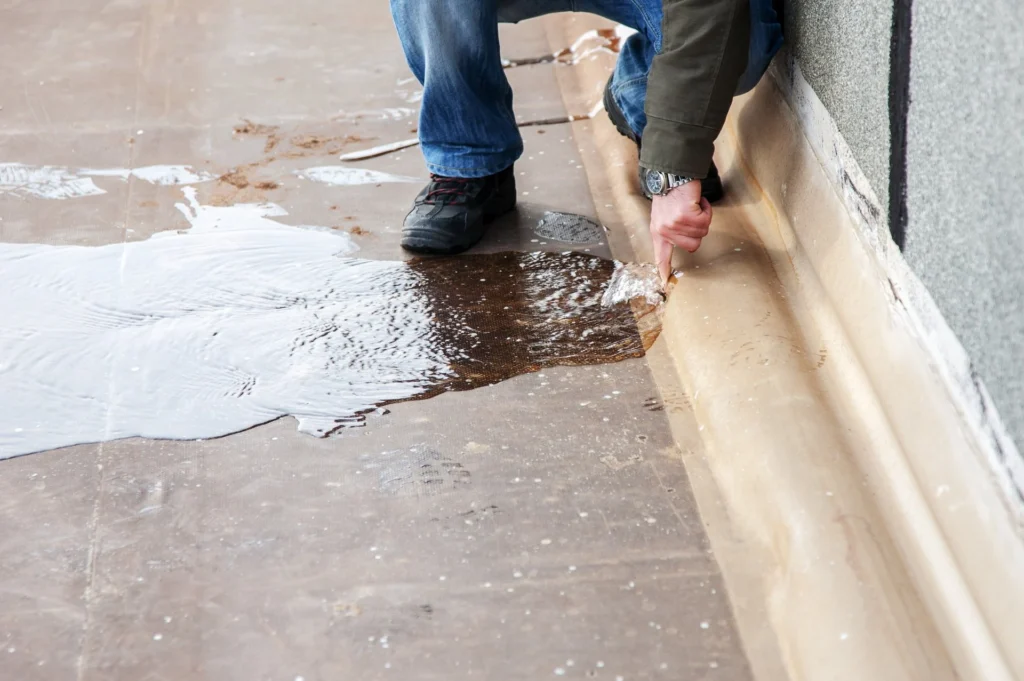
A leak doesn’t always announce itself with a puddle on the floor. Sometimes it’s a faint stain on the ceiling, a musty smell behind a cabinet, or a water bill that suddenly looks much higher than usual. Those little clues are easy to brush aside, especially when everything else in the house seems normal.
The trouble is that water can travel. A small leak behind a wall or beneath a concrete slab may continue for weeks, quietly damaging materials that you can’t see. By the time the problem becomes obvious, the repair can be considerably more complicated.
That’s why knowing the warning signs — and understanding how professionals find difficult leaks — is worth your attention.
Why Hidden Leaks Are So Difficult to Find
Visible leaks are relatively easy. You see the dripping pipe, tighten or replace the damaged component, and move on.
Hidden leaks are another story.
Water can move along framing, underneath flooring, behind drywall, or beneath concrete. The place where you notice moisture isn’t necessarily where the actual leak started.
For example, a damp patch on the floor near a bathroom might make you suspect the toilet. But the real source could be a damaged supply line beneath the floor. Guessing incorrectly can lead to unnecessary repairs while the leak continues somewhere else.
That’s why proper leak detection is more than simply looking for wet spots.
Watch for the Warning Signs
Your home often provides clues before a hidden leak becomes a major problem.
Look for unexplained water stains, bubbling paint, warped flooring, damp cabinets, peeling wallpaper, or persistent musty odors. You may also hear water running when every faucet and appliance is turned off.
An unexpected increase in your water bill can be another useful clue. A small leak that runs continuously can waste a surprising amount of water over time.
Changes in water pressure deserve attention too. They don’t automatically mean there’s a leak, but if a pressure change appears alongside other warning signs, it’s worth investigating.
What Is a Slab Leak?
Homes built on concrete slabs can experience a particularly frustrating type of plumbing problem: a leak beneath the foundation.
Related reading: Why Modern Water Softeners Are Smarter Than Ever for Today’s Homes · Why More Families Are Choosing Whole-Home Water Filtration Instead of Treating Just the Kitchen Sink · How Modern Water Treatment Technology Is Changing the Way We Think About Clean Water
A slab leak occurs when a water line beneath or within the concrete develops a crack, corrosion problem, loose connection, or other failure. Because the pipe isn’t readily accessible, finding the exact location can be challenging.
Signs may include warm or damp spots on the floor, unexplained water usage, the sound of running water, low pressure, or areas of flooring that seem unusually wet.
Ignoring these signs isn’t a great idea. Water beneath a slab can affect surrounding materials and, depending on the circumstances, create more extensive property problems.
How Professional Leak Detection Works
Modern leak & slab leak detection services can use specialized equipment to locate the source without immediately opening large sections of a property.
Depending on the situation, professionals may use acoustic listening equipment, pressure testing, infrared technology, moisture detection tools, or other diagnostic methods.
The exact technique depends on the construction of the property and the type of plumbing involved. A skilled technician doesn’t simply rely on one gadget. They combine the available information to narrow down the most likely source.
This matters because accuracy can save both time and money.
Why Finding the Exact Location Matters
Imagine there’s a leaking pipe behind a wall. If someone opens a large section of drywall simply because they suspect the leak is there, they may discover nothing.
Now you’ve got a leak and an unnecessary hole.
Accurate detection allows professionals to focus their repair work on the area most likely to contain the problem. In many situations, that means less disruption and a faster path toward a solution.
Of course, no detection method can guarantee that every repair will be tiny. Some plumbing problems genuinely require access through walls, floors, or other building materials. But knowing where to look first can make a significant difference.
Minimal Demolition Can Reduce the Mess
One major advantage of precise leak detection is the potential for minimal demo.
Nobody enjoys having walls opened or flooring removed. Apart from the inconvenience, demolition creates dust, debris, noise, and additional repair work afterward.
Related reading: When the Warmth Fades: A Real-Life Look at Fixing Heating Systems Before It Gets Worse · Learning to Trust Your Tap Again: A Real-World Take on Better Water at Home · When Water Feels Better: The Subtle Upgrade That Changes Your Home
When the source has been accurately identified, the technician may be able to access a much smaller area. This can simplify the repair and make restoration easier.
It’s important to keep expectations realistic, though. If a pipe is located beneath concrete or inside an inaccessible structural area, some demolition may still be necessary. The goal isn’t to promise zero disruption. It’s to avoid unnecessary disruption.
Don’t Ignore a Leak Because It Looks Small
A tiny stain doesn’t always mean a tiny problem.
Water damage can spread beyond the original leak, especially when moisture remains trapped behind walls or under floors. Prolonged dampness may also create conditions that damage building materials.
If you notice repeated moisture, unexplained odors, or a sudden change in water usage, investigate rather than simply painting over the stain.
Sometimes the cheapest repair is the one you make before the problem gets bigger.
Choosing a Leak Detection Professional
When looking for help, experience matters. Ask whether the company has experience with concealed leaks and slab-related plumbing problems.
It’s also reasonable to ask what detection methods they use and whether the diagnostic process is separate from the repair itself. A professional should be able to explain what they found and why they believe a particular area is the source.
Good communication matters here because leak detection can feel mysterious to a homeowner. You shouldn’t be expected to understand every technical detail, but you should understand the conclusion.
A Little Attention Can Prevent a Big Headache
Plumbing leaks don’t always look dramatic at first. Sometimes the warning is barely noticeable — a strange smell, a damp corner, a noisy pipe, or an unusually high water bill.
Pay attention to those clues.
If you suspect a hidden leak, getting it investigated early can help prevent unnecessary damage and more complicated repairs. Modern detection techniques can often narrow down difficult problems with far less disruption than traditional guesswork.
Your home’s plumbing is mostly out of sight, which makes it easy to forget. But when something changes, don’t ignore it. Finding the problem early can save your property, your time, and quite a bit of money in the long run.