Water problems rarely announce themselves at a convenient time. A small leak under the kitchen sink might go unnoticed for weeks, a pipe could develop a slow drip behind a wall, or a water pump may begin behaving strangely just before a busy day. At first, these issues can seem minor. Then the repair bill arrives, a patch of dampness spreads, or an important part of the building becomes unusable.
The good news is that many water-related problems can be identified earlier with a combination of regular maintenance, reliable equipment, and a little attention to warning signs. Modern monitoring technology makes this easier, too. Whether you manage a family home, rental property, office, or commercial facility, understanding how your water system behaves can help protect the building and avoid unnecessary waste.
Why Water Systems Need More Than Occasional Attention
Most people only think about plumbing when something stops working. It’s understandable; if water flows from the tap and drains away properly, the system seems fine. But pipes, valves, tanks, pumps, and connected appliances experience wear even when everything appears normal.
Temperature changes can place stress on pipework. Mineral deposits may gradually restrict flow, while seals and connectors can deteriorate with age. Water pressure that is consistently too high may put extra strain on plumbing components. In some buildings, seasonal changes or periods of heavy use can reveal weaknesses that went unnoticed during quieter months.
A simple inspection routine can catch some of these problems before they become serious. Look beneath sinks, around toilets, near water heaters, and wherever pipes enter or leave the building. Watch for damp patches, peeling paint, unusual odors, corrosion, or unexplained increases in water consumption.
It helps to know where the main shutoff valve is located, as well. During a major leak, being able to stop the water quickly can limit damage. Everyone responsible for the property should know how to operate it, rather than having to search for instructions while water spreads across the floor.
The Value of Monitoring and Preventive Protection
Traditional plumbing systems depend heavily on people noticing that something is wrong. That approach works for obvious problems, but hidden leaks and gradual changes can be much harder to spot. This is where technology can make a meaningful difference.
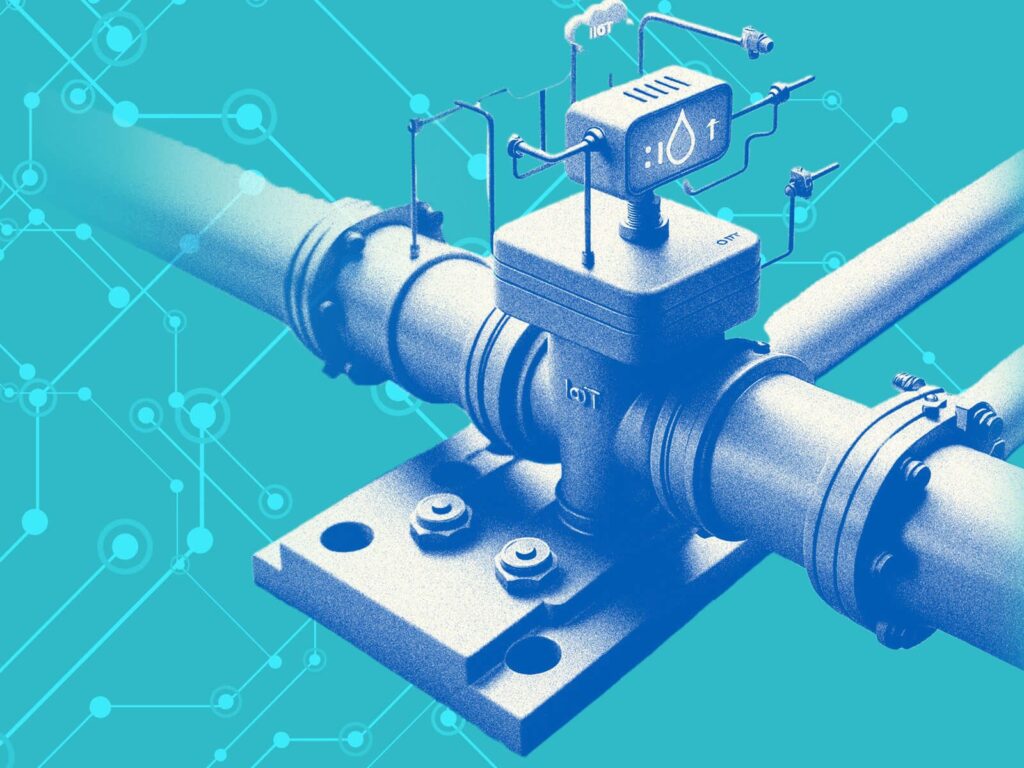
Modern system monitoring & protection solutions can track selected operating conditions, such as water flow, pressure, pump activity, or unexpected usage patterns. Depending on the equipment, a system may send an alert when readings move beyond a chosen threshold. Some setups can also activate an automatic shutoff valve when a potentially serious leak is detected.
Imagine a household that leaves for a weekend trip. A washing machine hose develops a leak while nobody is home. Without monitoring, the water might continue flowing until someone returns. A suitable sensor and shutoff arrangement could detect the problem and reduce the amount of water released.
The technology is useful in commercial settings, too. A property manager overseeing several buildings may not be able to inspect every utility room each day. Alerts can help prioritize attention and identify unusual activity sooner.
Still, monitoring equipment is not a substitute for sound plumbing or routine inspections. Sensors need suitable placement, batteries or power supplies must be maintained, and alerts should be configured to reflect normal usage. A system that sends too many false alarms may eventually be ignored, defeating its purpose.
Related reading: Smarter Water Treatment: How Modern Systems Make Home Maintenance Easier · Finding Hidden Plumbing Leaks Before They Become Expensive Problems · Why Modern Water Softeners Are Smarter Than Ever for Today’s Homes
Finding Hidden Leaks Before They Cause Serious Damage
Not every leak creates a puddle where someone can see it. Water may travel along a pipe, collect beneath flooring, soak into insulation, or escape inside a wall. By the time visible staining appears, the surrounding materials may already have been exposed to moisture for quite some time.
This is why leak detection systems are worth considering in locations where water damage could be particularly costly. Depending on the design, they may use moisture sensors, flow monitoring, pressure changes, or other methods to identify possible leaks.
Small point sensors are often placed near water heaters, dishwashers, washing machines, sinks, and other fixtures with a history of causing leaks. More advanced arrangements can monitor water entering a property and flag continuous flow that does not match typical usage.
For example, a toilet with a faulty internal valve can waste water quietly for days. A flow monitor may reveal that water continues moving even when the household believes every tap is off. A simple inspection can then confirm the cause before the waste adds up.
Detection methods vary, so choosing the right one matters. Moisture sensors are useful where water is likely to collect, while flow-based monitoring can help identify abnormal consumption throughout a building. Larger properties may benefit from combining several approaches.
No system can guarantee that every leak will be found immediately. Sensors can miss water that never reaches them, and some leaks develop too slowly to trigger certain alarms. Proper placement, sensible settings, and periodic testing are essential.
Water Quality Deserves Equal Attention
Protecting a building is only one part of water management. The water itself also matters, particularly when it is used for drinking, cooking, bathing, or sensitive equipment.
Changes in water quality may appear as unusual taste, odor, cloudiness, discoloration, or deposits around fixtures. These signs can indicate a problem, but they do not reveal everything. Some contaminants cannot be detected reliably by sight or smell, so testing may be necessary when there is a safety concern.
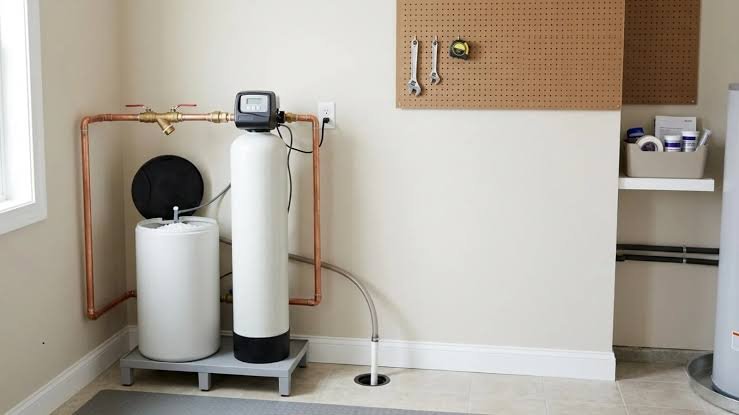
The right approach depends on the source and the intended use. A private well may require different testing and maintenance from a municipal supply. Sediment filtration can remove particles, while activated carbon may improve certain taste and odor issues. Water softening addresses hardness minerals, but it is not a universal method for removing contaminants.
Before buying treatment equipment, establish what needs to be addressed. A laboratory test or assessment from a qualified water professional can help prevent spending money on a device that does not solve the actual problem.
Monitoring should also extend to treatment equipment itself. Filters need replacement according to their specifications, and some systems require periodic disinfection, cleaning, or performance checks. When maintenance is overlooked, the system may not provide the results expected.
Related reading: Why More Families Are Choosing Whole-Home Water Filtration Instead of Treating Just the Kitchen Sink · How Modern Water Treatment Technology Is Changing the Way We Think About Clean Water · When the Warmth Fades: A Real-Life Look at Fixing Heating Systems Before It Gets Worse
If water suddenly changes color, develops an unusual odor, or is suspected of being contaminated, do not assume a filter will make it safe. Follow local water-safety advice and arrange appropriate testing before using it for drinking or food preparation.
Building a Practical Maintenance Routine
Good water management doesn’t have to become a complicated project. A short checklist, followed consistently, is often more useful than an elaborate plan that nobody has time to maintain.
Start with monthly visual checks around exposed plumbing and water-using appliances. Keep an eye on the water meter, particularly when consumption seems unusually high. If the meter continues registering usage when all known fixtures are off, investigate the possibility of a hidden leak. Some systems have automatic functions or shared connections that affect readings, so confirm the situation before assuming there is a plumbing fault.
Test leak alarms according to the manufacturer’s instructions. Replace batteries when required, and check that notifications reach the right person. For commercial properties, document inspections and repairs so recurring issues are easier to identify.
It is also wise to schedule professional servicing for equipment that requires technical attention. Pumps, pressure regulators, backflow prevention devices, and specialized treatment systems may need checks beyond an ordinary visual inspection. If you notice sudden pressure changes, persistent pump cycling, or water near electrical equipment, seek qualified assistance rather than attempting an improvised repair.
Choosing Technology That Fits Your Property
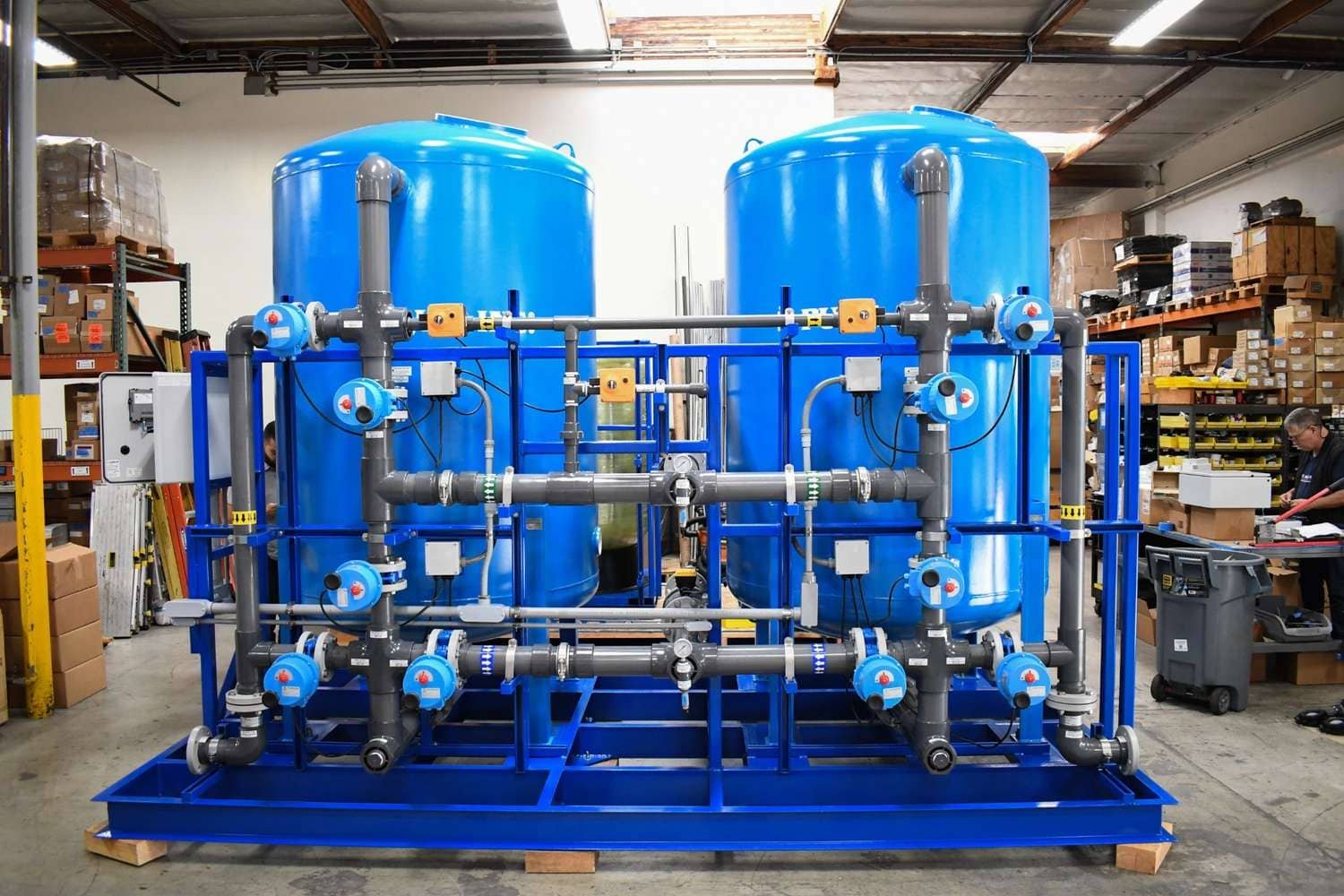
Not every building needs an expensive, fully connected monitoring network. A few strategically placed sensors may be enough for a small home, while a hotel, warehouse, or multi-unit property may require centralized monitoring and automated shutoff controls.
Think about the property’s layout, the consequences of a leak, the reliability of its internet or power supply, and who will respond when an alert arrives. Ask suppliers what their equipment can actually detect, what happens during a power outage, and how the system should be tested. Clear answers are more valuable than a long list of impressive features.
The best solution is one that people understand and maintain. A simple system that is tested regularly can be more useful than sophisticated equipment that has been forgotten after installation.
A More Confident Approach to Water Protection
Water systems work quietly in the background, which is precisely why their problems can be easy to overlook. A little preparation can make a substantial difference: inspect vulnerable areas, understand normal water usage, test alarms, maintain treatment equipment, and act quickly when something changes.
Technology adds another layer of protection, but the strongest results come from combining it with sensible habits and professional care when needed. You don’t have to wait for a flooded room or a costly repair to take water management seriously.
With a practical plan in place, homeowners and property managers can spot warning signs sooner, reduce avoidable waste, and protect the spaces people depend on every day. It’s a small investment of attention that can save a great deal of trouble later.