Water quietly shapes almost every part of our day. It wakes us up with a morning shower, fills the kettle for coffee, helps prepare dinner, washes clothes, cleans dishes, and keeps the garden alive. Because it’s always there, it’s easy to forget just how much we depend on it—until something feels off.
Maybe your shower leaves your skin feeling unusually dry. Perhaps your dishes never seem completely spotless, or your faucets constantly collect white mineral deposits. Sometimes the water simply doesn’t taste the way you’d like it to.
These small frustrations often have the same root cause: the quality of the water flowing through your entire home.
Related Style Intelligence
Why Modern Water Softeners Are Smarter Than Ever for Today’s Homes How Modern Water Treatment Technology Is Changing the Way We Think About Clean Water When the Warmth Fades: A Real-Life Look at Fixing Heating Systems Before It Gets WorseThat’s why more homeowners are beginning to think beyond a simple drinking water filter. Instead of treating water at just one faucet, they’re choosing systems that improve water throughout the entire house.
Water Doesn’t Only Matter When You Drink It
When people think about water treatment, they naturally picture the kitchen sink. That’s where drinking water comes from, after all.
But the average family actually uses far more water for bathing, laundry, cooking, dishwashing, handwashing, cleaning, and running household appliances than they do for drinking alone.
Related Style Intelligence
Learning to Trust Your Tap Again: A Real-World Take on Better Water at Home When Water Feels Better: The Subtle Upgrade That Changes Your HomeEvery shower, every load of laundry, every dishwasher cycle depends on the same water entering your home.
If that water contains excessive minerals, sediment, chlorine, or other unwanted substances, those effects aren’t limited to your drinking glass—they become part of your daily routine.
Looking at water quality from a whole-home perspective simply makes sense.
Why whole home water treatment systems Are Becoming More Popular
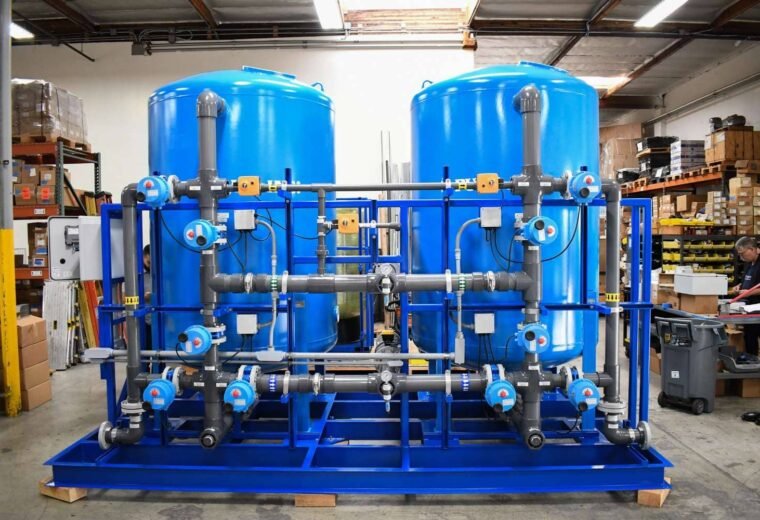
Instead of solving one problem at a single faucet, whole home water treatment systems improve water as it enters the house. That means treated water reaches bathrooms, kitchens, laundry rooms, utility sinks, and often outdoor plumbing as well, depending on the system design.
For many homeowners, this approach creates a much more consistent experience.
Soap rinses away more easily.
Fixtures stay cleaner.
Appliances operate more efficiently.
Water heaters experience less mineral buildup.
Daily cleaning often becomes easier because there are fewer stubborn deposits left behind.
Rather than treating only the water you drink, the entire household benefits from improved water quality.
Every Home Has Different Water Challenges
No universal filtration system works perfectly for every household.
Some homes struggle with hard water that leaves mineral scale throughout the plumbing. Others experience high chlorine levels, iron staining, sediment, sulfur odors, or naturally occurring groundwater minerals.
Private well owners may have completely different concerns than homeowners connected to municipal water systems.
Even neighboring houses can experience noticeable differences due to plumbing materials, local geology, or seasonal water conditions.
That’s why professional water testing remains one of the smartest first steps before selecting any treatment equipment.
Knowing exactly what’s in your water leads to much better long-term decisions.
The Benefits of whole house filtration
Installing whole house filtration isn’t simply about making water look or taste better. It often improves the overall performance of the home’s plumbing system and many everyday activities.
Filtered water helps reduce sediment before it reaches fixtures and appliances. Depending on the treatment system, it may also minimize chlorine, unpleasant odors, and other impurities that affect comfort throughout the home.
Many homeowners notice practical improvements such as:
- Softer-feeling showers
- Cleaner dishes with fewer water spots
- Brighter laundry
- Reduced soap usage
- Less buildup on faucets and showerheads
- Longer appliance lifespan
These may seem like small changes individually, but together they create a noticeably more comfortable living environment.
Your Appliances Benefit Too
Water quality has a direct impact on expensive household equipment.
Mineral deposits gradually collect inside water heaters, dishwashers, washing machines, coffee makers, and plumbing fixtures. Over time, this buildup reduces efficiency and may shorten equipment lifespan.
Sediment can clog valves, while excessive hardness forces appliances to work harder than necessary.
Improving incoming water quality helps protect these investments.
It’s one of those benefits homeowners don’t always think about immediately, yet it can save significant maintenance costs over the years.
Good water supports not only your family but also the systems your home depends on every day.
Better Water Changes Everyday Routines
People often expect dramatic changes after installing water treatment equipment.
Instead, what usually happens is something quieter.
Morning coffee tastes fresher.
Tea becomes smoother.
Skin feels less dry after showering.
Hair seems easier to manage.
Laundry feels softer.
Cleaning bathrooms requires less effort because mineral deposits become less noticeable.
These improvements gradually become normal, and homeowners often forget what untreated water was like before.
That’s usually the sign that a system is doing exactly what it should.
Creating cleaner healthier water Throughout the Home
The real value of modern water treatment isn’t limited to one faucet.
Families want cleaner healthier water available wherever it’s needed—whether preparing meals, bathing children, brushing teeth, washing vegetables, or filling a pet’s water bowl.
Treating water at the point where it enters the home creates consistency across every daily activity.
Instead of worrying about which faucet provides filtered water, homeowners enjoy greater confidence throughout the entire house.
That convenience becomes especially valuable for busy families where water is constantly being used from multiple locations at once.
Choosing the Right System Is More Important Than Choosing the Biggest One
Homeowners sometimes assume that larger systems automatically deliver better results.
In reality, the best water treatment system is the one properly matched to your home’s specific water conditions.
Professional testing identifies hardness, sediment, chlorine, dissolved minerals, pH levels, and other characteristics that influence treatment decisions.
From there, experts can recommend equipment designed specifically for your household’s needs.
This personalized approach avoids unnecessary expenses while delivering better long-term performance and easier maintenance.
Rather than installing equipment based on assumptions, homeowners invest in solutions backed by real data.
A Long-Term Investment in Comfort
Water treatment isn’t just another home improvement project.
It’s an investment in everyday comfort, household efficiency, and peace of mind.
Unlike renovations that are admired occasionally, better water quietly improves countless moments every single day. From the first shower in the morning to the last glass of water before bed, treated water becomes part of the home’s normal rhythm.
That’s why so many homeowners view whole-home filtration as more than a convenience. It’s a practical upgrade that protects plumbing, supports appliances, improves daily routines, and helps families enjoy water with greater confidence.
When your home’s water is cleaner from the moment it enters the plumbing system, the benefits naturally flow into nearly every part of daily life. And in many ways, that’s what makes whole-home water treatment such a worthwhile investment—it works quietly, consistently, and every single day.