Most homeowners don’t spend much time thinking about their water treatment system. If the water tastes fine, the shower feels comfortable, and the dishes come out clean, it’s easy to assume everything is working as it should. Then one morning, the water pressure drops, a filter warning appears, or stubborn mineral spots start showing up on the kitchen tap. Suddenly, the equipment you rarely think about becomes a priority.
The truth is that a reliable water system needs a little attention now and then. It doesn’t have to become another complicated household chore, though. With a few sensible habits and help from people who understand the equipment, you can reduce unexpected problems and get more value from your investment.
Understanding What Your Water System Actually Does
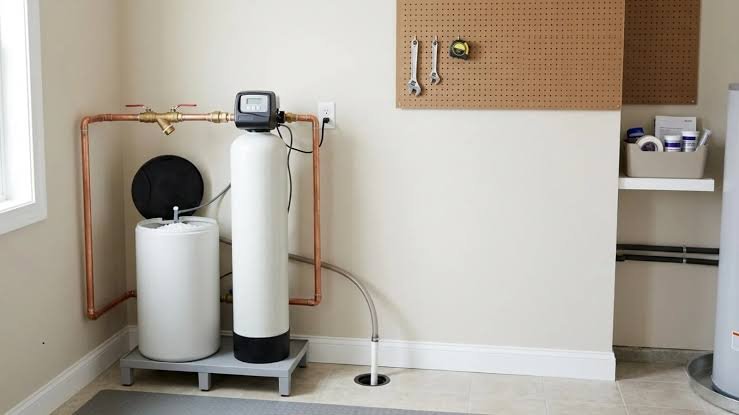
Before planning maintenance, it helps to understand what your equipment is designed to handle. Water treatment systems come in several forms, and each serves a different purpose. A water softener reduces hardness minerals such as calcium and magnesium. A carbon filter can improve certain tastes and odors, while reverse osmosis systems are designed to reduce particular dissolved substances.
Some homes need only one treatment method. Others may require a combination because their water contains several issues. The right approach depends on the water source, test results, household usage, and the specific performance claims of the equipment.
This distinction matters because no single system removes every possible contaminant. A softener, for example, isn’t a substitute for a drinking water filter when a separate contaminant needs to be addressed. Understanding these differences helps you avoid spending money on equipment that doesn’t solve your actual problem.
If you haven’t checked your water quality recently, consider arranging suitable testing. Private well water may need more frequent monitoring than a regulated municipal supply, particularly after flooding, repairs, or other changes that could affect the source. Testing gives you a useful starting point instead of relying on guesswork.
Why Ongoing Maintenance Shouldn’t Be Overlooked
Like any equipment that works regularly, a water treatment system experiences wear. Filters collect particles, moving components may need inspection, and settings can become unsuitable as household water use changes. Even a well-built unit can lose efficiency if basic maintenance is ignored.
Consistent ongoing care for your water system helps you catch small concerns before they turn into larger disruptions. For example, replacing a filter according to the manufacturer’s guidance may help preserve water flow and treatment performance. Checking for visible leaks can prevent water damage, while monitoring a softener’s salt level can help ensure it has the supplies needed for its regeneration process.
A simple maintenance calendar is often enough. Record the installation date, filter replacement intervals, service visits, and any unusual changes you’ve noticed. If the system has digital alerts, pay attention to them rather than dismissing them as background noise.
It’s equally important to use the correct replacement parts. A cartridge that looks similar to the original may not have the same specifications or fit. Follow the equipment manual, and don’t assume that a longer replacement interval is always better. The proper schedule depends on the system, water quality, and amount of water treated.
Related reading: Protecting Your Property with Smarter Water Monitoring and Leak Prevention · Smarter Water Treatment: How Modern Systems Make Home Maintenance Easier · Finding Hidden Plumbing Leaks Before They Become Expensive Problems
Recognizing the Warning Signs Early
Water treatment issues often develop gradually. You may notice a different taste, reduced flow at a drinking water tap, or more residue on glassware. With a softener, soap may seem less effective, or mineral deposits may begin returning around faucets and showerheads.
These signs can point to a maintenance issue, but they aren’t proof of a specific fault. Changes in municipal water, plumbing problems, and seasonal variations can produce similar symptoms. That’s why it’s helpful to note when the change began and whether it affects one tap or the whole house.
Look for obvious leaks, check the system’s display for error messages, and review the troubleshooting instructions. Avoid opening pressurized equipment or attempting electrical repairs unless you’re qualified to do so. If the problem persists, a professional inspection can help identify its cause without unnecessary replacement of parts.
One important point: clear water isn’t necessarily safe water. Many contaminants cannot be seen, smelled, or tasted. If you have a concern about drinking water safety, arrange appropriate testing and use treatment equipment specifically suited to the identified issue.
The Value of Working With Experienced Professionals
There are plenty of basic maintenance tasks homeowners can manage themselves, but some problems need a trained eye. A persistent leak, unusual cycling, declining performance, or repeated error messages may indicate a fault that isn’t obvious from the outside.
Experienced local technicians can inspect the equipment, check its settings, and help determine whether the issue relates to the treatment unit, plumbing, or incoming water. Their familiarity with common household systems can also make it easier to explain what needs attention and what can safely wait.
When choosing a service provider, ask about training, experience with your particular equipment, and the scope of the proposed work. A useful service visit should leave you with a clear explanation of the problem, the recommended solution, and any maintenance steps to follow afterward.
Don’t hesitate to ask questions. If a technician recommends replacing a major component, find out why the existing part cannot be repaired and whether the replacement is compatible with your model. Clear communication makes it easier to make an informed decision rather than agreeing to work you don’t fully understand.
Choosing the Right Provider for Equipment and Support
The relationship with your water treatment provider shouldn’t end on installation day. Over time, you may need replacement cartridges, adjustments, troubleshooting, or advice about changing household requirements. Having a dependable point of contact can make those tasks much less stressful.
Related reading: Why Modern Water Softeners Are Smarter Than Ever for Today’s Homes · Why More Families Are Choosing Whole-Home Water Filtration Instead of Treating Just the Kitchen Sink · How Modern Water Treatment Technology Is Changing the Way We Think About Clean Water
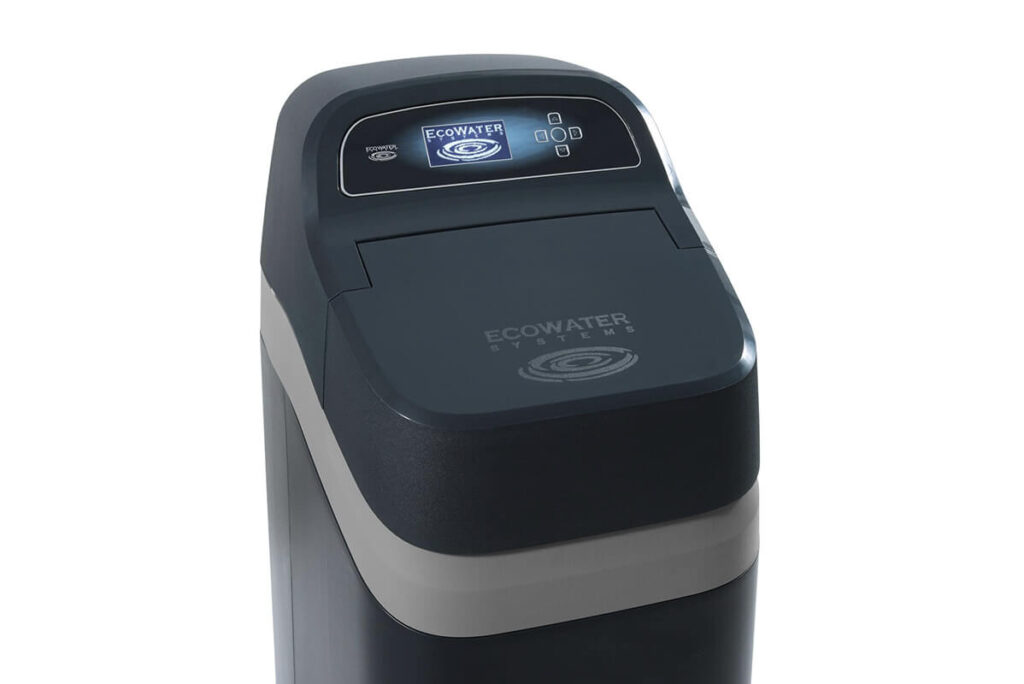
If you use EcoWater equipment, an authorized EcoWater dealer can be a useful starting point for questions about compatible products, installation requirements, and available service options. Confirm the provider’s current authorization and ask which services are included, since coverage and offerings can vary by location.
Before scheduling work, request details about service fees, parts, warranties, and expected timelines. If the system is still covered by a warranty, check its conditions before arranging repairs through an outside provider. Keeping purchase documents and previous service records in one place can save time when you need support.
It’s also worth asking whether routine inspections or maintenance plans are available. Such plans aren’t essential for every household, but they may suit people who prefer scheduled visits and predictable service arrangements. Compare the actual benefits with the cost rather than choosing a plan simply because it sounds comprehensive.
When Repairing or Replacing Makes More Sense
Sometimes a service visit reveals that a system needs more than a routine adjustment. The decision to repair, replace, or upgrade depends on the unit’s age, condition, treatment capacity, parts availability, and operating costs.
A relatively new system with one worn component may be worth repairing. An older unit that repeatedly breaks down, no longer meets household demand, or cannot address a confirmed water quality issue may justify replacement.
Consider the full cost of ownership. Purchase price is only one part of the picture; replacement filters, salt, electricity, water use, and servicing all contribute to long-term expenses. Ask for a comparison of realistic options, including the likely maintenance requirements of any proposed replacement.
There’s no need to upgrade simply because newer equipment is available. A well-maintained system that meets your needs may continue serving you effectively for years. The aim is to maintain reliable performance, not to replace equipment unnecessarily.
Making Water Care Part of Your Routine
Good water quality often depends on small decisions made consistently. Keep track of filter dates, pay attention to changes, use approved replacement parts, and seek help when a problem falls outside your experience. These habits don’t take much time, but they can make household water treatment more predictable.
Most importantly, understand what your equipment can—and cannot—do. Test your water when appropriate, choose treatment based on actual needs, and maintain a relationship with a provider who explains recommendations clearly.
A dependable water system shouldn’t demand constant attention. With sensible care and the right support when something goes wrong, it can quietly do its job in the background, leaving you free to get on with the ordinary routines that make a house feel like home.