
A home rarely feels special because of one expensive feature. More often, it’s the combination of little things: sunlight falling across the floor in the morning, a comfortable chair in the right corner, a hallway that doesn’t feel cramped, or a room where everyone naturally wants to spend time. These details might seem ordinary, but together they shape how a home feels and how easily we move through our daily lives.
Good interior design understands this connection between appearance and experience. It isn’t simply about choosing attractive colors or following the latest trends. It’s about creating spaces that reflect the people living in them, support their routines, and remain enjoyable long after the excitement of a renovation has passed.
Whether you’re refreshing a single room or planning a more extensive property transformation, the most successful results usually begin with a few thoughtful decisions.
Begin With the Way You Use Each Room
Before buying furniture or selecting finishes, spend some time observing how your home actually works. Perhaps the living room becomes crowded whenever friends visit. Maybe the dining area has plenty of floor space but nowhere convenient to store everyday essentials. These small frustrations offer useful clues about what needs to change.
A room should respond to its purpose, but that doesn’t mean every space needs a rigid definition. A spare bedroom might double as a home office, while a quiet corner near a window could become a reading area. Flexible rooms are especially valuable in homes where needs change throughout the week.
This is where space planning makes a meaningful difference. It involves arranging rooms, furniture, circulation routes, and functional zones so everything works together comfortably. A well-planned layout allows people to move around without constantly navigating obstacles, while making better use of corners and areas that might otherwise be overlooked.
It’s worth considering movement as carefully as appearance. Can someone open a cupboard without blocking a walkway? Is there enough room to pull out a dining chair? Does the route from the entrance to the kitchen feel natural? These practical questions may not sound glamorous, but their answers often determine whether a room feels effortless or frustrating.
Creating a Living Room That Invites People In
The living room often carries several responsibilities. It’s a place to relax after work, watch television, entertain guests, and sometimes catch up on unfinished tasks. Getting the balance right can be tricky, particularly when the room isn’t especially large.
Start by identifying the main activity. If conversation matters most, arrange seating so people can comfortably face one another rather than directing every chair toward a screen. If the room serves as a family entertainment area, make sure the television can be viewed without awkward angles or excessive glare.
Lighting deserves attention, too. One overhead fixture rarely creates the most welcoming atmosphere on its own. A combination of ceiling lights, floor lamps, table lamps, and focused task lighting gives you more control throughout the day. Bright light may be useful for cleaning or reading, while softer lighting can make the room feel calmer in the evening.
Color and texture bring everything together. Neutral walls can provide a quiet foundation, while cushions, artwork, rugs, and curtains introduce personality. You don’t need to coordinate every item perfectly. In fact, a room often feels more authentic when it includes a few contrasting textures or objects collected over time.
Related reading: Protecting Your Property with Smarter Water Monitoring and Leak Prevention · Smarter Water Treatment: How Modern Systems Make Home Maintenance Easier · A Food Lover’s Guide to Yogyakarta
The aim is to create a space that looks considered but still feels comfortable enough for an unplanned afternoon nap.
Choosing Furnishings With Both Style and Comfort in Mind
Furniture has a considerable influence on the character of a room, yet appearance shouldn’t be the only deciding factor. A beautiful sofa that’s uncomfortable to sit on or too large for the living area can become an expensive source of irritation.
When selecting furnishings, consider scale, construction, maintenance, and how each piece will be used. Measure the room before purchasing large items, and remember to account for doorways, staircases, and the space needed to move pieces into position. A floor plan can help, but even simple measurements marked out with masking tape can reveal whether a dining table or sofa will overwhelm the room.
Material choices matter as well. Families with children or pets may prefer fabrics that are durable and easy to clean. Natural timber can add warmth and character, while metal, glass, and stone introduce different visual qualities. Each material comes with its own maintenance needs, so it’s sensible to understand those before making a decision.
There’s no need to furnish every corner immediately. Leaving some breathing room can make a home feel larger and more relaxed. You can always add a side table, artwork, or an occasional chair later, once you’ve lived in the space long enough to understand what’s missing.
A thoughtful home develops over time. It doesn’t have to be completed in a single shopping trip.
Bathrooms Deserve More Thought Than They Usually Get
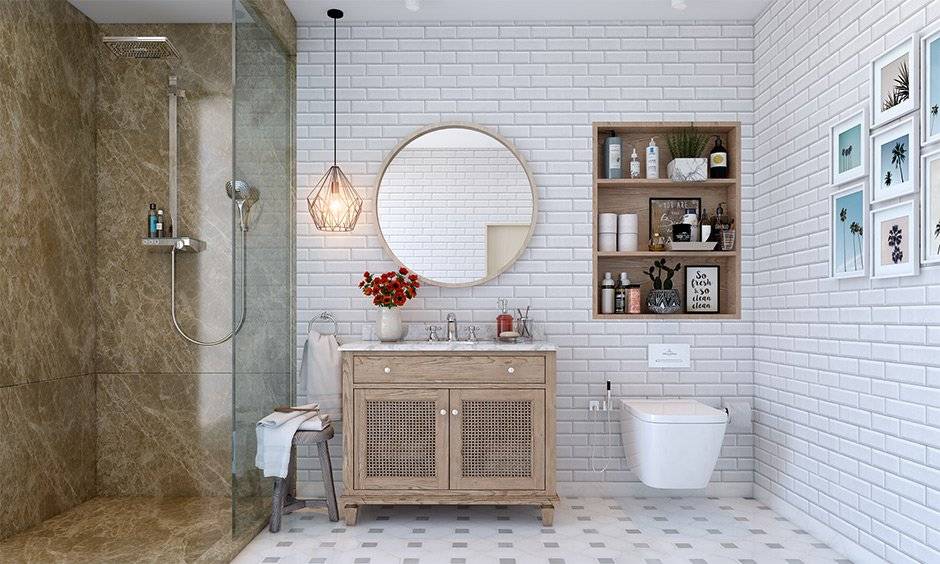
Bathrooms are often among the smallest rooms in a property, yet they have a surprisingly large effect on daily comfort. A poorly arranged bathroom can feel crowded even when the floor area seems adequate. Meanwhile, a modest room with good lighting, sensible storage, and well-chosen finishes can feel remarkably calm.
Well-designed bathrooms balance practical requirements with a little everyday luxury. Storage should keep toiletries and cleaning products accessible without leaving every surface cluttered. Mirrors can help reflect light, while layered illumination makes tasks such as shaving or applying makeup easier. Ventilation is equally important because lingering moisture can contribute to mold, damaged finishes, and unpleasant odors.
Material selection deserves care in wet areas. Flooring and wall finishes should be appropriate for the conditions, and slip resistance should be considered wherever water may collect. It’s also worth thinking about how easily surfaces can be cleaned, especially around shower screens, taps, and grout lines.
If you’re renovating, look beyond the visible fixtures. Plumbing access, drainage, waterproofing, and the placement of outlets all need proper attention. These details are less exciting than choosing a new vanity, but getting them right helps protect the investment.
Related reading: A Practical Guide to Guest Posting for Business Growth · Don’t Be Fooled! How to Interpret Celebrity Interviews and Make Better Choices · The New Age of Digital Marketing That Turns Connection
A bathroom doesn’t need elaborate fittings to feel special. Sometimes a well-lit mirror, a comfortable shower, and enough space to put things away are exactly what makes the morning routine better.
Let Materials and Colors Work Together
Finishes establish the mood of an interior. Pale woods, soft whites, and muted greens may create a relaxed atmosphere, while darker colors and richer textures can bring depth and a sense of intimacy. Neither approach is automatically better. The right choice depends on the room, the available light, and the people who use it.
Try not to select every finish in isolation. A countertop may look wonderful in a showroom but clash with the flooring at home. Similarly, a paint color that appears subtle under artificial lighting can look much stronger in direct sunlight.
Gather samples and view them together in the actual space. Check them at different times of day, and don’t rush the decision simply because you’re eager to move forward. A little patience now can prevent costly changes later.
It’s also sensible to balance visual appeal with longevity. Trends come and go, but replacing floors, cabinetry, or bathroom tiles can be expensive and disruptive. Consider using enduring finishes for major surfaces and expressing current tastes through smaller, easier-to-change elements.
Make Room for Personal Details
A home should tell a story, even if that story isn’t immediately obvious to visitors. Family photographs, handmade objects, books, artwork, and souvenirs can give rooms a sense of identity that a perfectly coordinated interior sometimes lacks.
These pieces don’t need to follow one particular style. A contemporary living room can accommodate a vintage cabinet, and a simple bedroom can feel more personal with a colorful piece of art. What matters is that the objects mean something to you and have enough space to be appreciated.
At the same time, display doesn’t have to mean filling every shelf. Choose a few pieces you genuinely enjoy, group them thoughtfully, and leave some empty space around them. The result often feels more intentional, with less visual clutter.
Designing for Everyday Life
The best interiors aren’t necessarily the ones that attract the most attention. They’re the ones that continue to feel right when the novelty wears off. They make ordinary tasks easier, provide room to relax, and adapt as life changes.
Start by understanding your needs, then build your design around comfort, function, and personal character. Choose furniture that fits, materials that suit your routines, and layouts that make sense beyond a photograph.
A home doesn’t have to be perfect to be beautiful. It simply needs to work for the people who live there. When thoughtful planning meets personal expression, even the smallest details can turn a collection of rooms into a place that truly feels like your own.