
You don’t always notice water—until it starts affecting how things run.
In a business setting, that moment tends to come quietly. Maybe equipment isn’t performing like it used to. Maybe customers mention the taste of drinks. Maybe maintenance costs creep up without a clear reason.
At first, it feels like a collection of small, unrelated issues.
But often, they point back to one thing: water.
And once you start looking at it that way, everything begins to connect.
The Hidden Role Water Plays in Daily Operations
Water sits behind so many processes that it almost disappears.
In restaurants, it’s part of every dish and drink. In hotels, it shapes guest experience—from showers to laundry. In manufacturing, it can influence product quality and equipment lifespan.
But because it’s always there, it’s easy to overlook.
Until something changes.
That’s when businesses start to realize that water isn’t just a utility—it’s part of their foundation.
Hard Water Isn’t Just a Household Problem
A lot of people associate hard water with homes—spotty dishes, dry skin, scale buildup on faucets.
But in commercial environments, the impact is bigger.
Hard water can damage expensive equipment, reduce efficiency, and increase operating costs over time. Boilers, dishwashers, coffee machines—anything that uses water regularly can feel the effects.
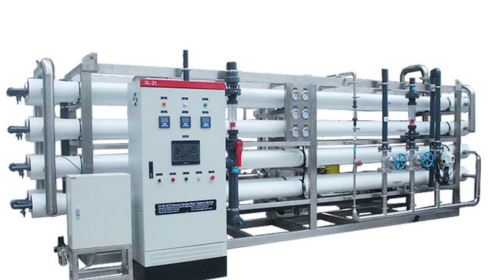
That’s why many businesses turn to commercial water softeners.
These systems are designed to handle higher demand while removing minerals that cause buildup and wear.
The result isn’t just better water—it’s smoother operations, fewer breakdowns, and lower long-term costs.
Taste Matters More Than You Think
In customer-facing businesses, taste can make or break an experience.
A cup of coffee, a glass of water, even ice in a drink—these small details add up quickly.
If the water quality is off, people notice.
And even if they can’t quite explain it, it leaves an impression.
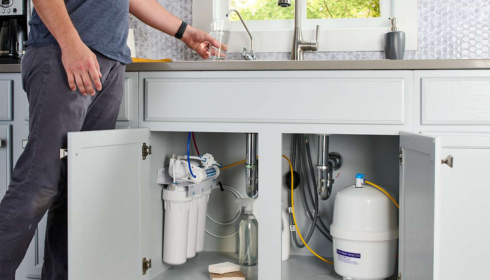
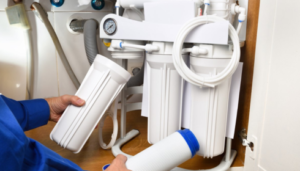
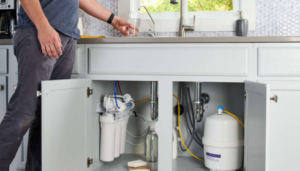
This is where reverse osmosis systems often come into play.
They’re designed to remove a wide range of dissolved impurities, creating water that tastes clean and neutral.
For businesses, that consistency is key.
Every drink, every dish, every interaction feels just a bit more refined—and customers notice, even if they don’t say it out loud.
The First Line of Defense
Before water reaches more advanced treatment systems, it often needs a basic level of protection.
Particles like sand, dirt, and debris might not seem like a big deal—but over time, they can damage equipment and reduce system efficiency.
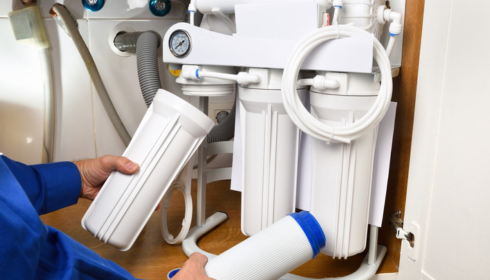
That’s where sediment filtration plays an important role.
It’s simple, but effective.
By removing larger particles early in the process, it helps protect everything downstream—extending the life of equipment and improving overall performance.
Sometimes, the simplest solutions are the ones that make the biggest difference.
The Cost of Ignoring Water Quality
It’s easy to put water improvements on the back burner.
After all, things are still working. Nothing has completely failed.
But over time, the hidden costs start to show.
Increased maintenance. Higher energy bills. Equipment replacements that come sooner than expected.
These aren’t always traced back to water—but often, that’s exactly where the issue begins.
And once you address it, those ongoing costs tend to stabilize.
Small Improvements, Big Impact
What’s interesting about upgrading water systems in a business is how quickly the benefits spread.
You don’t just see improvements in one area—you see them everywhere.
Equipment runs more efficiently. Products taste better. Maintenance becomes less frequent.
Even staff notice the difference.
It’s not a dramatic transformation—but it’s a meaningful one.
And over time, those small improvements add up to something significant.
Why Businesses Wait Too Long
Just like in homes, water issues in businesses rarely feel urgent.
There’s no single moment where everything stops working.
Instead, it’s a slow buildup of minor inconveniences.
You adapt. You adjust. You work around the problem.
But once you make a change—once your water improves—you realize how much easier things could have been all along.
Keeping It Practical
The goal isn’t to overcomplicate things.
It’s not about installing the most advanced system available or chasing perfection.
It’s about finding the right balance.
A setup that fits your business, supports your operations, and improves your daily experience without adding unnecessary complexity.
When done right, it becomes part of the background—just another system that works quietly and reliably.
The Comfort of Consistency
In business, consistency is everything.
Customers expect the same experience every time. Equipment needs to perform predictably. Operations need to run smoothly.
Water plays a bigger role in that consistency than most people realize.
When it’s right, everything else feels easier.
When it’s off, even slightly, it creates friction.
Coming Back to What Water Should Be
At its core, water should support your business—not complicate it.
It should protect your equipment, enhance your products, and contribute to a better overall experience.
And when you take the time to improve it—whether through softening, filtration, or purification—that’s exactly what happens.
Not a dramatic overhaul.
Just a smoother, more reliable way of working.
Quiet, consistent, and exactly what your business needs to keep moving forward.