Hard water is one of those household problems that tends to creep up on you. At first, it’s just a few white marks around the faucet. Eventually, you’re buying extra cleaning products, descaling appliances regularly, and wondering why your freshly washed towels feel so rough. Sound familiar? You’re certainly not alone.
For homeowners in Aledo, Texas, arranging water softener consultations can be a worthwhile first step toward understanding hardness concerns and finding a treatment system that genuinely suits their property.
Buying a water softener isn’t simply about choosing equipment and connecting it to your plumbing. Getting dependable results involves understanding your water conditions, selecting the right system, and ensuring it receives proper care over time.
What Happens During a Water Softener Consultation?
A useful consultation begins with questions about your household and its water supply. How many people live in your home? Have you noticed mineral deposits around fixtures? Does your water come from a municipal supply or a private well?
These details help establish what kind of treatment might be appropriate.
Hardness testing is particularly important because calcium and magnesium concentrations influence softener capacity and regeneration requirements.
A consultation also provides an opportunity to discuss your expectations. Perhaps your biggest frustration is cleaning the shower doors, or maybe you’re concerned about mineral buildup inside a recently purchased water heater.
Understanding these priorities helps narrow your choices without relying on guesswork or unnecessary equipment upgrades.
Why Proper Installation Matters More Than You Think
Even a well-designed softener may deliver disappointing results if it’s incorrectly connected or configured.
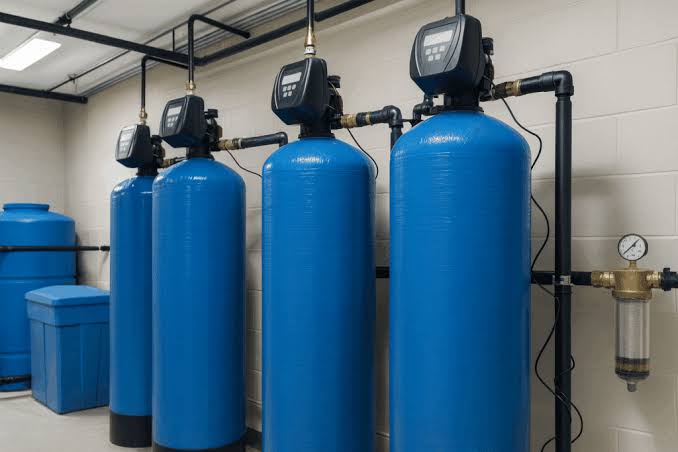
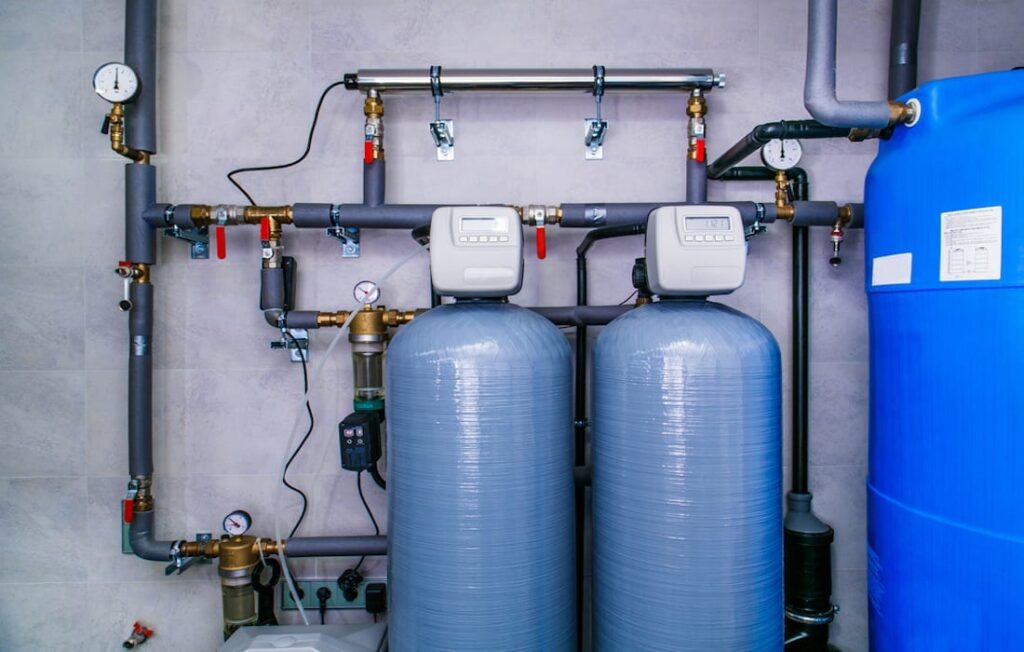
Investing in professional water softener installation helps ensure the equipment is appropriately positioned, sized, and programmed according to your household’s requirements.
Installation typically involves connecting the system to suitable plumbing lines, establishing drainage arrangements for regeneration, and configuring operating settings based on measured hardness and anticipated consumption.
Equipment accessibility matters, too. You don’t want to squeeze between storage shelves every time the brine tank needs salt.
An installer should also explain how the system operates, including how to identify potential problems and manage routine maintenance.
Getting comfortable with your equipment from the beginning can make ownership considerably easier.
Related reading: Giving Your Water Filtration System a Fresh Start: When Repairs and Upgrades Are Worth It · Reduce Hard Water Scale, Soap Scum, and Mineral Deposits in Your Northeast Florida Home · What Makes a Water Treatment Provider Worth Trusting for the Long Run?
Having Dependable Support Close to Home
Imagine discovering that your water has become noticeably harder just before hosting family for the weekend. It’s hardly the ideal time to start searching for someone who understands your equipment.
Access to a dependable local water softener service can make troubleshooting, routine maintenance, and replacement component purchases more convenient.
A technician may investigate regeneration settings, salt consumption, resin performance, and plumbing connections when treatment problems arise.
Sometimes, the solution is relatively straightforward. Other situations require more detailed inspection.
When considering a provider such as Elders Water, ask about servicing arrangements, equipment warranties, and maintenance support.
Knowing where to turn when something isn’t working properly is a valuable part of owning any household treatment system.
Understanding How Your Water Softener Actually Works
Conventional water softeners operate through a process known as ion exchange. As water passes through specialized resin beads, dissolved calcium and magnesium ions are exchanged for sodium or, in compatible systems, potassium ions.
Over time, the resin reaches its treatment capacity and requires regeneration.
Many modern systems monitor water consumption and initiate regeneration according to programmed settings. This can help manage salt and water usage when the equipment is appropriately configured.
The process generally happens automatically, which means homeowners don’t need to manage every treatment cycle themselves.
However, understanding the basics makes it easier to recognize when something might be wrong.
A sudden return of chalky deposits, for instance, could indicate that the system needs attention.
Choosing a System That Fits Your Household Budget
It’s tempting to focus entirely on the initial purchase price when comparing water softeners. But the ongoing expenses deserve attention as well.
Consider regenerating salt requirements, water consumption during regeneration, servicing costs, and replacement component availability.
Household size and water usage also influence equipment selection. A larger family may require greater treatment capacity than a household with only one or two occupants.
Related reading: Why Regular Water System Care Makes Life Easier at Home · Protecting Your Property with Smarter Water Monitoring and Leak Prevention · Smarter Water Treatment: How Modern Systems Make Home Maintenance Easier
Choosing unnecessarily large equipment could increase your initial investment, while an undersized system may regenerate more frequently than expected.
Ask for a clear explanation of anticipated operating expenses before making your decision.
A well-chosen system should make sense financially, not just technically.
Recognizing When Your Water Softener Needs Attention
Once your softener is installed, it’s easy to forget that it’s there. That’s understandable, especially when everything seems to be working normally.
However, occasional inspections can help prevent avoidable problems.
Check salt levels according to manufacturer recommendations, pay attention to unusual regeneration patterns, and investigate noticeable changes in water hardness.
Sometimes, salt can form a hardened bridge inside the brine tank, preventing proper regeneration even when the tank appears adequately filled.
Periodic professional inspections and hardness testing can help identify these issues.
Remember that softening addresses hardness rather than providing comprehensive drinking water purification. Additional treatment may be necessary if other water quality concerns exist.
Making Softer Water a Long-Term Comfort in Your Aledo Home
For homeowners in Aledo, improving water quality can begin with a simple conversation about the problems affecting their household.
Reliable testing, thoughtful equipment selection, proper installation, and consistent maintenance all contribute to dependable softening performance.
The rewards often appear in familiar moments — easier bathroom cleaning, improved soap lathering, and fewer new mineral deposits around fixtures.
A water softener may not be the most noticeable improvement you make to your home. But when it helps reduce those repetitive little frustrations, its practical value becomes fairly obvious.
And having one less household problem to deal with after a busy week? That’s something most of us would happily welcome.