Water is part of nearly every routine at home, yet most people don’t give it much thought until something feels off. Soap doesn’t rinse properly, spots keep appearing on glassware, the kettle develops a layer of scale, or drinking water has an unusual taste. These little frustrations can become surprisingly persistent, and finding the right solution isn’t always as straightforward as it seems.
A reliable water treatment provider can make a real difference by helping customers understand what’s happening with their water instead of simply recommending equipment. Good service starts with listening, asking the right questions, and finding a solution that fits the property and the people living or working there.
Experience That Goes Beyond Installing Equipment
There’s a difference between selling a water filtration product and genuinely understanding water quality. Different water sources bring different challenges, and a solution that works perfectly in one home may not be suitable for another. That’s where water treatment company experience becomes valuable.
Experienced professionals often recognize common signs of hard water, sediment issues, unpleasant odors, or mineral deposits. They also know that these symptoms don’t always point to the same cause. Rather than making assumptions, they can guide customers toward testing and a more informed decision.
For homeowners, this matters because water treatment equipment is a long-term investment. Nobody wants to spend money on a system only to discover a few months later that it doesn’t address the problem they originally had. A knowledgeable provider takes time to explain what’s needed, what isn’t necessary, and what customers can realistically expect after installation.
Understanding What a Water Filtration Company Actually Offers
When people look for water filtration company information, they’re often trying to answer some basic questions. What services are available? Which systems are suitable for residential use? Does the company handle installation and maintenance? And, perhaps most importantly, will someone be available if the equipment needs attention later?
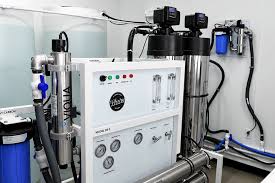
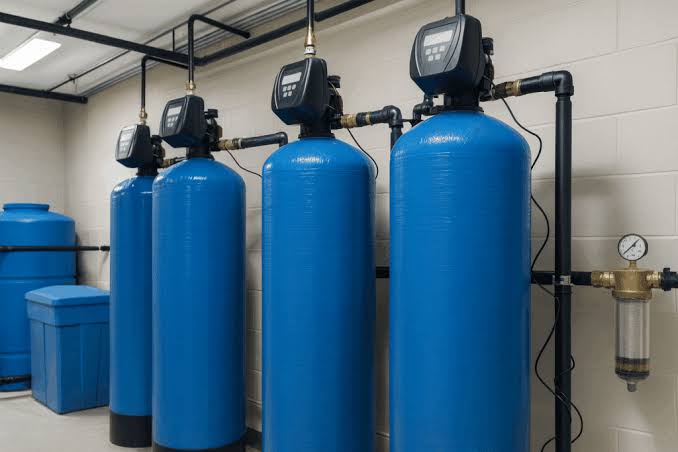
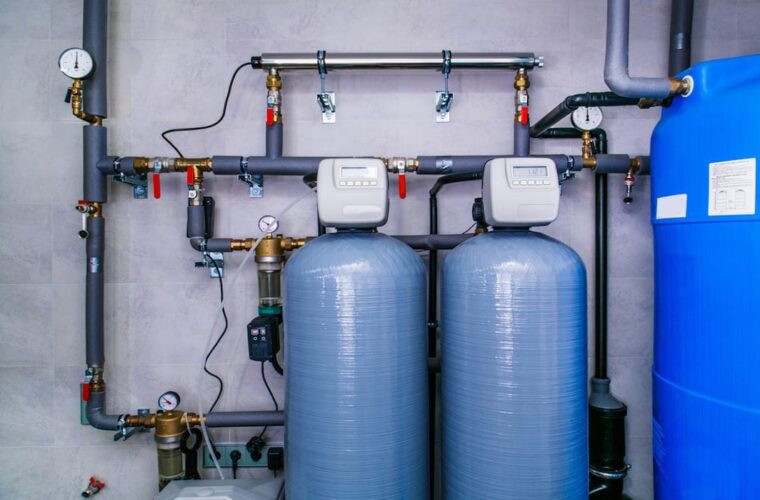
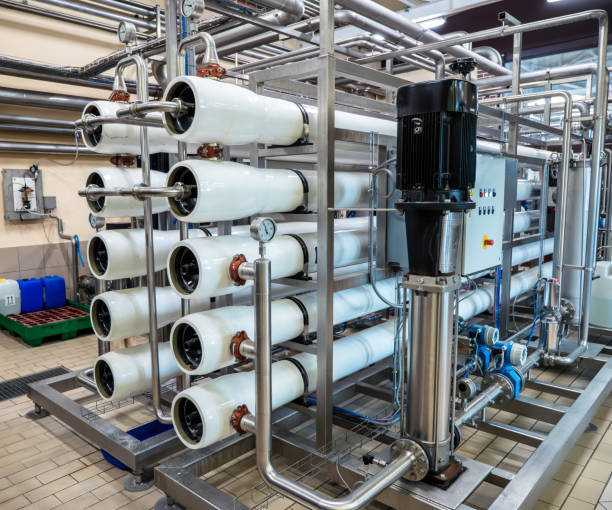
Water treatment can involve several technologies, each serving a different purpose. Sediment filters help remove suspended particles such as sand and rust. Activated carbon systems can improve taste and odor by reducing certain unwanted substances. Water softeners address hardness minerals, while reverse osmosis systems can reduce a range of dissolved substances depending on their design and certification.
Related reading: Giving Your Water Filtration System a Fresh Start: When Repairs and Upgrades Are Worth It · Reduce Hard Water Scale, Soap Scum, and Mineral Deposits in Your Northeast Florida Home · From Consultation to Installation: Getting the Most Out of Your Water Softener in Aledo, Texas
It’s easy to get lost in product specifications, especially when every system seems to promise cleaner, better water. A dependable company makes these choices easier by explaining the technology in plain English. Customers shouldn’t need a chemistry degree to understand why a particular system is being recommended.
A Thoughtful Team Makes the Process Easier
Water treatment is a technical service, but the customer experience is still very personal. People want to feel comfortable asking questions, discussing their concerns, and understanding the costs involved.
A strong water treatment team and approach should combine technical knowledge with practical communication. The process ideally begins with understanding the customer’s water concerns, reviewing available test results, and identifying the most appropriate treatment method. From there, the team can discuss equipment, installation requirements, maintenance, and expected performance.
Some households may only need a drinking water filtration unit. Others might benefit from treating water throughout the home because of persistent hardness or specific quality concerns. Commercial properties can have entirely different requirements, especially when water affects production, cleaning, heating, or specialized equipment.
The important thing is that recommendations shouldn’t feel rushed or overly complicated. A good team knows when to explain more and when a simple solution is enough.
Why Water Testing Should Come Before Recommendations
Water that looks clean isn’t necessarily free from unwanted substances. Similarly, cloudy water doesn’t always indicate a serious issue. Appearance, taste, and odor can provide useful clues, but they aren’t substitutes for appropriate testing.
Related reading: Why Regular Water System Care Makes Life Easier at Home · Protecting Your Property with Smarter Water Monitoring and Leak Prevention · Smarter Water Treatment: How Modern Systems Make Home Maintenance Easier
Testing helps establish what needs to be addressed. Depending on the source and the concern, it may involve checking hardness, pH, dissolved solids, iron, or specific contaminants. Once the results are available, treatment options can be evaluated more accurately.
This step also helps avoid unnecessary purchases. Instead of installing multiple filters without knowing whether they’re needed, customers can focus on the technologies that are relevant to their water conditions.
Long-Term Support Is Just as Important as the Initial Sale
A water treatment system isn’t something most people want to manage every week. Once it’s installed, customers expect it to work quietly in the background. Still, filters eventually need replacement, softeners require maintenance, and equipment may need adjustments as water usage changes.
Reliable after-sales service makes ownership much easier. Clear maintenance instructions, access to replacement parts, timely service appointments, and honest communication all contribute to a better experience. It’s often these small details that determine whether customers remain satisfied years after installation.
Making a Confident Decision
Choosing a water treatment company shouldn’t come down to price alone. Experience, transparent recommendations, appropriate technology, installation quality, and ongoing support all deserve consideration.
Better water begins with understanding your needs. When a provider takes the time to explain your water quality, offers practical solutions, and treats service as an ongoing responsibility, the decision becomes far less stressful.
In the end, the best water treatment solution isn’t necessarily the most advanced one. It’s the one that works reliably, fits your everyday needs, and gives you confidence every time you turn on the tap.