There’s nothing quite as frustrating as spending your Saturday morning cleaning bathroom fixtures, only to discover cloudy deposits appearing again a few days later. You might switch cleaning products, scrub harder, or invest in expensive stain removers, but the problem never seems to disappear completely.
The underlying issue could be the water flowing through your household plumbing.
Hard water contains dissolved minerals that can contribute to stubborn deposits, interfere with soap performance, and increase certain appliance maintenance requirements.
For homeowners throughout Northeast Florida, appropriate water softening offers a practical way to address these recurring frustrations. With professional guidance from Tri-County Water Specialists, families can explore treatment equipment designed around their property’s specific water conditions.
Rather than constantly dealing with the consequences of excessive hardness, addressing its underlying cause can make everyday household responsibilities considerably easier.
Protect Your Plumbing and Appliances From Hard Water Scale
Mineral deposits aren’t limited to the visible surfaces around your kitchen and bathroom. They can also develop inside water heaters, plumbing fixtures, and other equipment that regularly comes into contact with hard water.
Installing water softeners for hard water scale helps homeowners reduce calcium and magnesium concentrations responsible for many mineral-related maintenance problems.
When hard water is heated, certain dissolved minerals can form solid deposits. Over time, these deposits may accumulate inside water-heating equipment and interfere with efficient heat transfer.
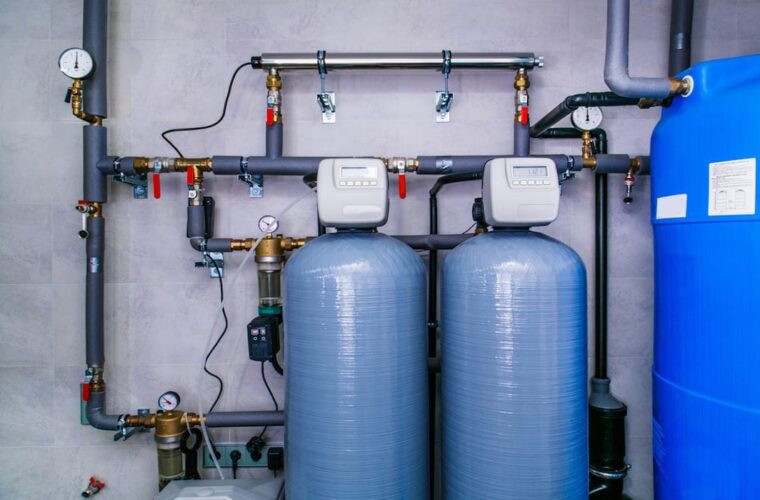
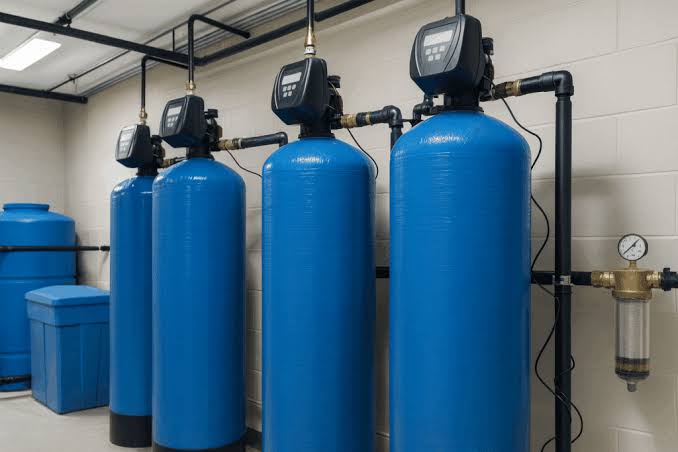
Traditional water softeners address excessive hardness through an ion-exchange process. Incoming water passes through specialized resin that captures calcium and magnesium while releasing sodium or potassium ions.
Periodic regeneration restores the resin’s treatment capacity, allowing the system to continue reducing hardness.
Consider how often your household uses hot water for showers, laundry, dishwashing, and general cleaning. Reducing excessive hardness can help minimize future scale formation associated with these activities.
However, installing a water softener doesn’t necessarily remove existing mineral deposits. Appliances and plumbing fixtures that already contain substantial buildup may require separate cleaning or professional servicing.
For Northeast Florida homeowners, testing existing water hardness before selecting equipment helps determine whether softening would provide meaningful benefits.
An appropriately sized system can offer practical protection while keeping ongoing maintenance and operating expenses manageable.
Enjoy Cleaner-Looking Glassware and Bathroom Surfaces
Opening the dishwasher and discovering cloudy spots on freshly washed glasses can be disappointing. Similar deposits often appear on shower doors, mirrors exposed to splashing, and polished kitchen fixtures.
An effective approach to reducing hard water spotting begins with addressing the dissolved minerals that remain behind when water evaporates.
Calcium and magnesium can contribute to visible residue, particularly on glass, stainless steel, and other smooth surfaces.
Although regular cleaning helps remove these deposits, it doesn’t prevent new mineral accumulation when the underlying water conditions remain unchanged.
Related reading: Giving Your Water Filtration System a Fresh Start: When Repairs and Upgrades Are Worth It · From Consultation to Installation: Getting the Most Out of Your Water Softener in Aledo, Texas · What Makes a Water Treatment Provider Worth Trusting for the Long Run?
Appropriate water softening may help reduce hardness-related spotting, making household surfaces easier to maintain.
Imagine rinsing your bathroom sink without constantly needing to polish away chalky deposits afterward. Even modest improvements can save time when repeated across numerous household activities.
However, softened water can still leave spots because it contains dissolved substances other than hardness minerals. Detergent residue and other factors may also contribute to cloudy glassware.
Understanding this distinction helps homeowners establish realistic expectations.
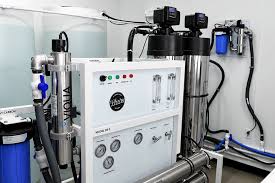
If drinking water contains unwanted dissolved substances that affect taste or leave residue, dedicated reverse osmosis treatment may deserve consideration.
Professional evaluation can help determine whether water softening alone is sufficient or whether complementary treatment would provide additional advantages.
The objective is to address your household’s actual problems rather than purchasing unnecessary equipment.
Make Household Cleaning Easier by Addressing Mineral-Related Residue
Soap scum can quickly accumulate around bathtubs, shower walls, and bathroom sinks. It often creates a stubborn film that requires considerable effort to remove.
Choosing appropriate treatment for soap scum and mineral buildup can help homeowners address the water conditions contributing to these persistent cleaning challenges.
Hardness minerals interact with traditional soap, forming insoluble compounds that can collect on surfaces. This reaction can also reduce soap’s ability to produce a satisfactory lather.
When excessive hardness is reduced, soaps may perform more effectively, and certain mineral-related residues may become less troublesome.
Potential everyday advantages include:
- Reduced soap scum accumulation around bathroom fixtures.
- Fewer chalky deposits on faucets and showerheads.
- Improved soap and detergent effectiveness.
- Laundry that may feel softer after washing.
- More manageable cleaning of shower doors and bathtubs.
- Reduced future scale formation inside water-using appliances.
These improvements can make household maintenance feel less demanding.
Nevertheless, not every type of residue originates from hard water. Body oils, cleaning products, and other substances can contribute to surface buildup.
Regular cleaning remains necessary, even after installing appropriate treatment equipment.
Homeowners may also need to adjust the amount of soap or detergent they use because softened water can change cleaning product performance.
Understand Your Water Conditions Before Purchasing a Softener
Not every Northeast Florida property experiences the same hardness levels. Differences in water sources and groundwater characteristics can influence individual treatment requirements.
Related reading: Why Regular Water System Care Makes Life Easier at Home · Protecting Your Property with Smarter Water Monitoring and Leak Prevention · Smarter Water Treatment: How Modern Systems Make Home Maintenance Easier
Professional water testing helps establish actual hardness concentrations and identify other relevant water quality concerns.
For instance, properties relying on private wells may also experience iron staining or sulfur-related odors that conventional softening alone might not adequately address.
Understanding these conditions allows homeowners to explore suitable treatment arrangements without unnecessary expenses.
Private well owners should also arrange appropriate laboratory testing for potentially harmful contaminants. Water softening doesn’t establish drinking water safety.
Reliable information makes equipment selection more straightforward and helps ensure that each treatment stage serves a meaningful purpose.
Choose a Water Softener That Matches Your Household Needs
Equipment capacity is an important consideration when selecting a residential water softener.
Household size, daily consumption, existing hardness levels, and peak water demand should all influence system selection.
An undersized system may require frequent regeneration, while unnecessarily large equipment could increase initial purchasing costs.
Consider salt consumption, regeneration water usage, warranty coverage, and ongoing servicing requirements before making a financial commitment.
A properly selected system should balance dependable hardness reduction with practical long-term ownership expenses.
Maintain Your Water Softener for Lasting Performance
Regular maintenance helps preserve treatment effectiveness and protect your investment.
Monitor salt levels, follow manufacturer servicing recommendations, and periodically test treated water hardness.
If mineral deposits or soap-related residues begin returning unexpectedly, arrange a professional inspection.
Keeping maintenance records can help identify changes in equipment performance and make future servicing requirements easier to anticipate.
Enjoy a More Comfortable Home With Better Water in Northeast Florida
Stubborn mineral deposits, cloudy glassware, and persistent soap scum don’t have to dominate your household cleaning routine.
Consider contacting Tri-County Water Specialists to discuss your water hardness and explore personalized treatment recommendations.
With appropriate testing, reliable equipment, and consistent maintenance, homeowners can address many recurring hard water frustrations.
Ultimately, investing in softer water is about more than protecting plumbing fixtures. It’s about spending less time scrubbing stubborn deposits, making everyday responsibilities easier, and enjoying a comfortable home where water quality contributes to lasting convenience.